Trans Cinema Doesn’t Just Improve Visibility—It Imagines Better Worlds
By Laura Horak, author of Trans Cinema: Making Communities, Identities, and Worlds
Since the rise of the concept of “transgender” in the 1990s, many activists, filmmakers and scholars have worked to make trans people more visible. Those efforts have made a real impact — increasing trans visibility has led to more community building, more people having a name to describe themselves, and the rise of diverse trans political movements and organizations.
And yet, visibility can also be a trap.
As filmmaker Tourmaline, scholar Eric A. Stanley, and curator Johanna Burton argue in Trap Door, mainstream visibility also often requires trans people to squeeze themselves into a narrow—white, middle-class—version of acceptable personhood to be deemed worthy of rights. It has made trans people into a political target while leaving in place the structural inequalities that make them vulnerable to poverty and state and interpersonal violence.
After actor Laverne Cox was on the cover of Time magazine, the late trans prison activist Miss Major Griffin-Gracy reflected, “What I have noticed […] is that there are more girls being murdered or beaten up because the people who want to do these harmful things can’t get to Laverne Cox” (26).
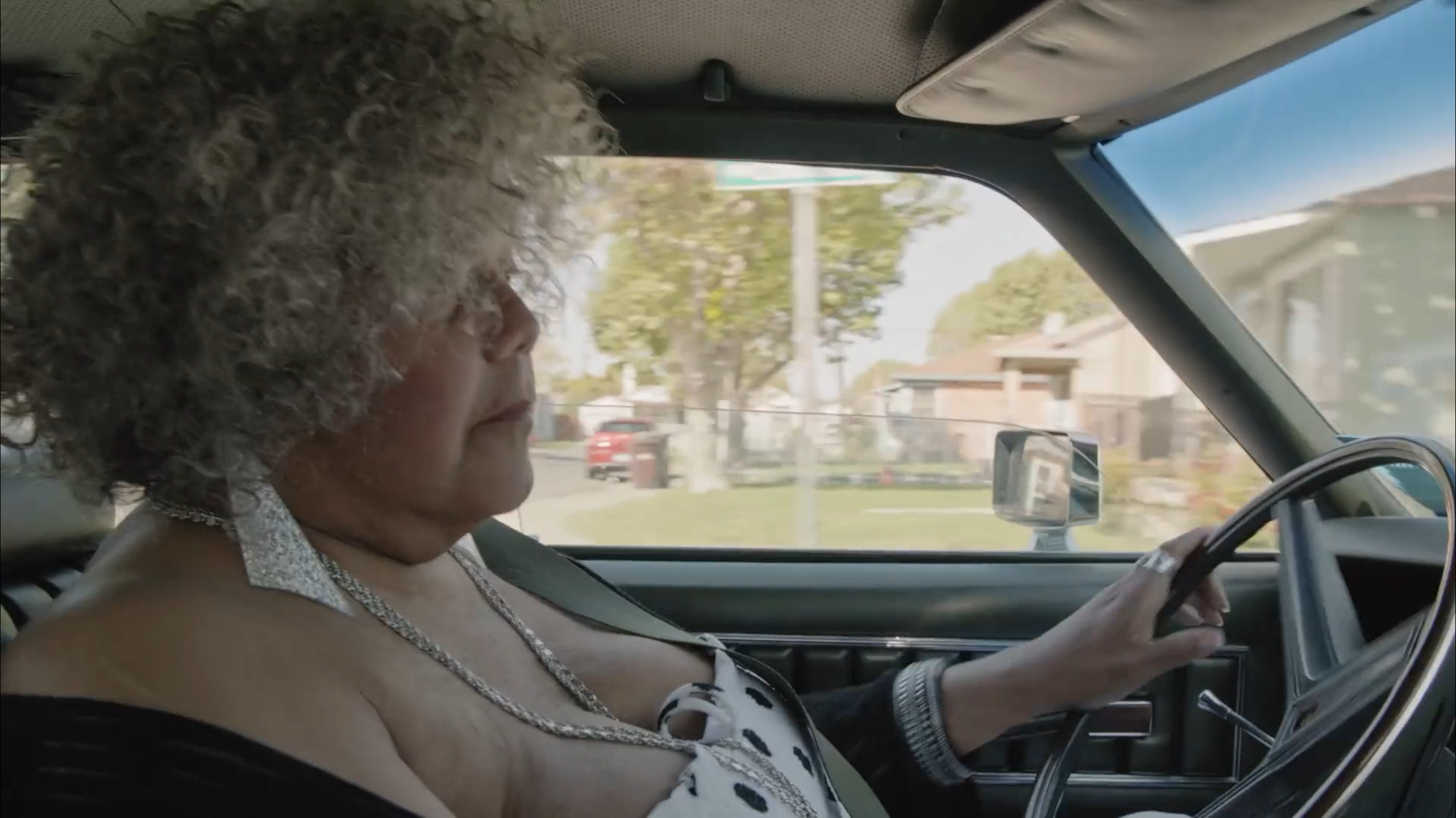
What’s more, Republican strategists turned to transgender rights as a new wedge issue after losing on gay marriage. Trans people’s new-found media visibility turned quickly into a target on their backs.
Yet film and media made by trans people goes beyond just making trans people visible—it imagines new forms of community, identity, and even new worlds. Trans-made films feel out, in unvarnished complexity, how to be in community, how to live in a body, how to fight the police, how to love and be loved.
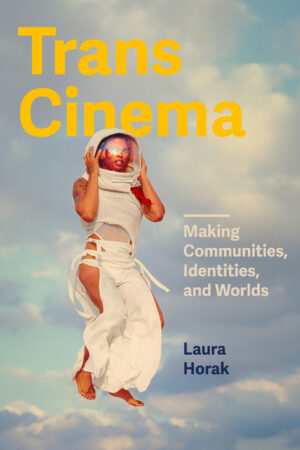
In my new book Trans Cinema, I explore the political and aesthetic innovations of trans-made films from the United States and Canada, using the tools of film studies—close reading and historical contextualization. Looking at a wide range of films from the 1990s to today, I focus especially on work by trans, Black, Indigenous, and people of color filmmakers. These films cover topics from community and chosen families to trans childhoods and parenthoods to love, sex, and dating to resisting violence, police, and prisons to embodiment and transition. Throughout the book, I contrast different approaches to each topic, bringing together, for example, a feature-length art film and a romantic comedy web series, or a YouTube vlog and an experimental film.
As I show in Trans Cinema, we need these films now more than ever. In our heated moment, political discourse about trans lives has become flattened, with a tendency to paint trans people as either perfect villains (on the right) or perfect victims (on the left). Art, however, dwells in complexity, and recent films made by trans filmmakers offer rich alternatives to simplistic political discourse, restoring complex personhood to public narratives about trans people.
For example, in today’s debates over the rights of trans children and youth, the right and the left tend to paint young people as innocent victims who need to be protected at all costs (Save the Children! Protect Trans Youth!). What this approach leaves out, as scholars Jules Gill-Peterson and Julia Sinclair-Palm have argued, is the self-knowledge and agency of young people.
Trans Italian Canadian filmmaker Luis de Filippis’s marvelous short film For Nonna Anna (2019) offers just such a complex representation of trans childhood and family relations.
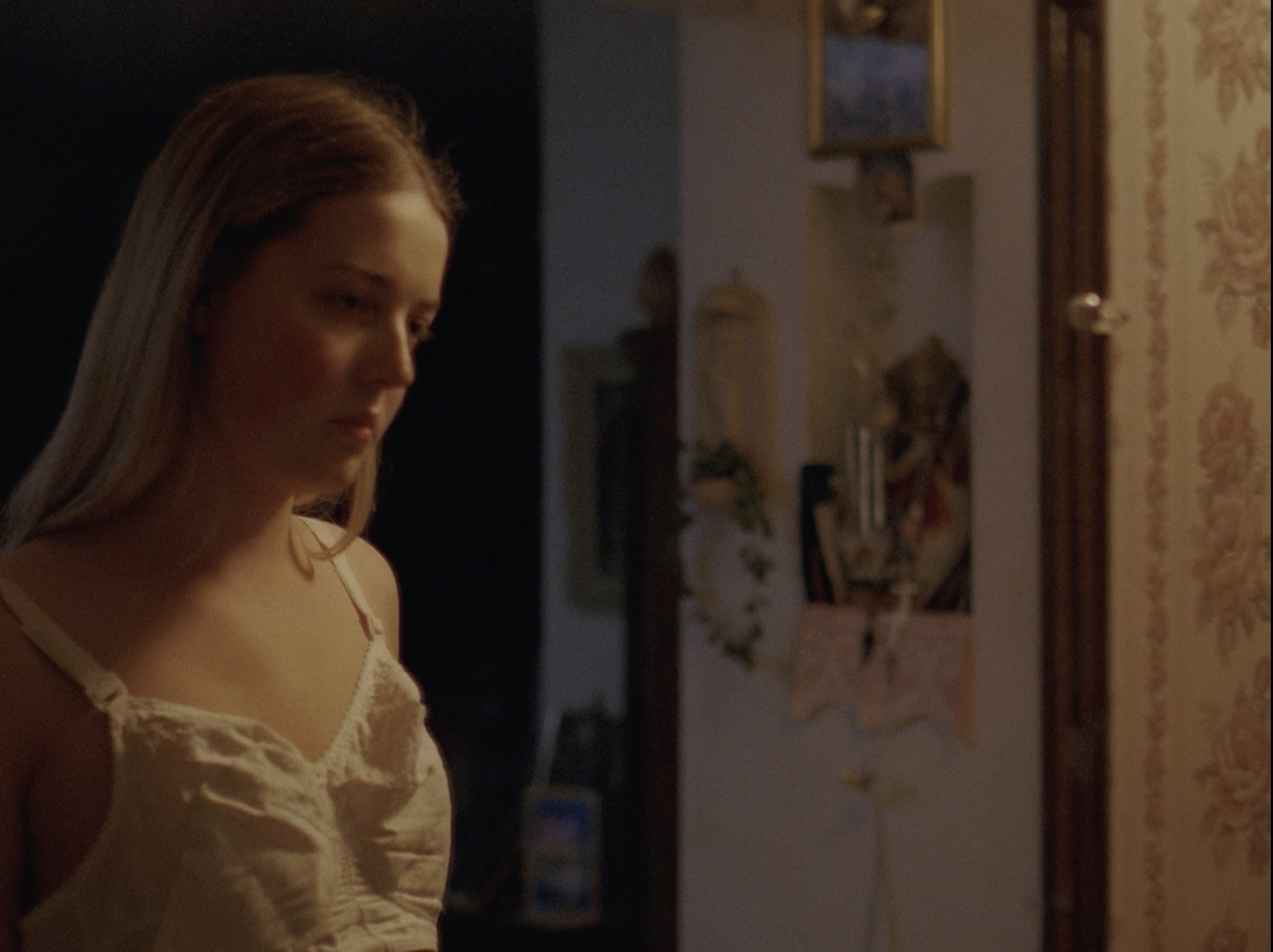
In it, a young trans woman, Chris (Maya Henry), takes care of her Catholic Italian grandmother, Nonna Anna (Jacqueline Tarne) and packs her things into boxes. At one point, Chris watches an old VHS tape of herself as a child of around ten dressing in her grandmother’s clothes. We hear her off-screen father’s scolding voice, but Nonna pretends to do young Chris’s hair and calls her beautiful. In the present, Chris gives this gift of acceptance back to Nonna. The older woman has peed the bed and refuses to disrobe to take a shower. At a loss, Chris eventually takes off her own clothes. Nonna stares at her, then disrobes, the two women sharing a gaze of gentle acceptance across time and generations. The film desensationalizes the trans body as just another woman’s sometimes out-of-control body and represents a young trans person capable of giving care, not just needing it.
Trans creators have also made work addressing ongoing colonial and racist violence. For example, in Where We Were Not: Feeling Reserved; Alexus’ Story (2011), a collaboration between Métis Two-Spirit trans woman Alexus Young and white, queer, mad animator Jess MacCormack, Young describes the time she was taken on a “starlight tour” by the Saskatoon police—that is, taken out to the snowy woods in the middle of winter, her shoes and jacket taken, and abandoned.
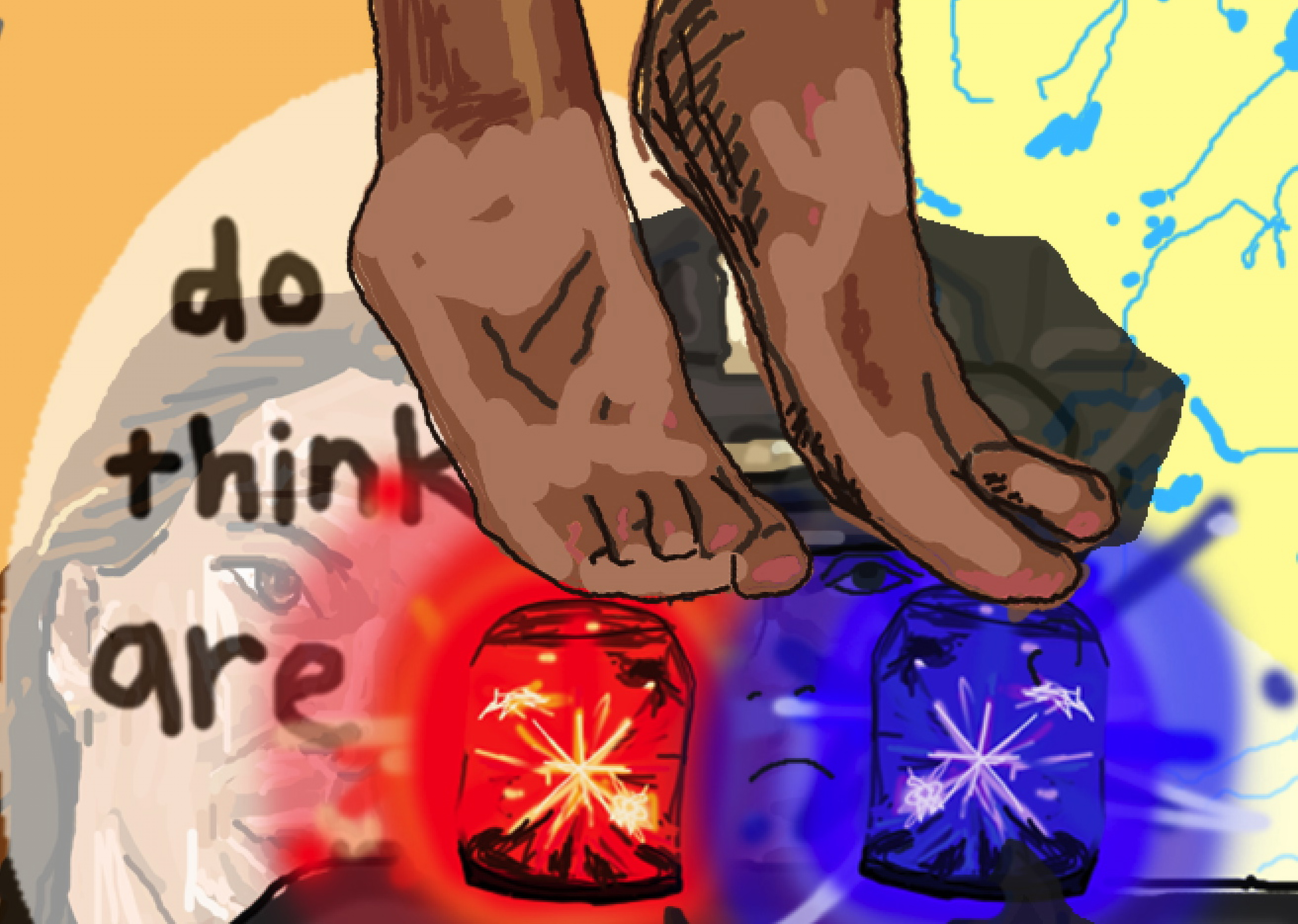
As we hear Young’s voice, we see a series of rough digital drawings, old film footage of Saskatoon and Indian residential schools, and excerpts from news reports of other, similar incidents. The animation both protects Young from being identified by the police after the fact—refusing the surveillance that trans of color bodies are so often subjected to—and viscerally conveys the experience of fragmented, confusing, obsessive, and troubling memories. Through its simple but powerful form, the film breaks Canada’s national narrative of “niceness” and successful “reconciliation” between the colonial government and Indigenous peoples, showing how colonial violence lives on—and how Indigenous Two Spirit people continue to survive it.
The day of Donald Trump’s second presidential inauguration, trans writer Kai Cheng Thom wrote on Instagram: “Trans people’s collective work right now is to survive and ensure the survival of our community—not just survival of the body, but also survival of the spirit” (January 20, 2026). Survival of the spirit is where trans-made films and media come in. These works invite us to see the world otherwise—and imagine it as it could be. We need them now more than ever.
Find more trans films in the Transgender Media Portal.
About the Author

is Professor of Film Studies at Carleton University in Ottawa, Ontario, and founder of the award-winning Transgender Media Portal. She is author of Girls Will Be Boys: Cross-Dressed Women, Lesbians, and American Cinema.