The End of the Flush Toilet
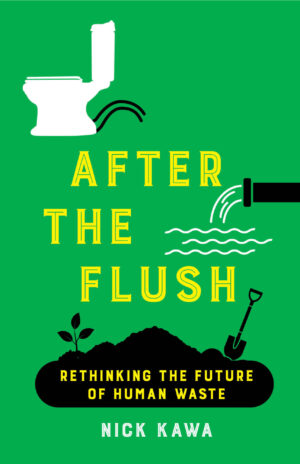
by Nick Kawa, author of After the Flush: Rethinking the Future of Human Waste
Nearly half the US is in a drought, but most American households still use clean water to flush human waste. Think about it. Every time we flush, water that could be used to drink, cook, grow food, or bathe is polluted by our urine and feces. Not only that, but we spend tens of billions of dollars annually to maintain infrastructure and facilities that transport, manage, and treat the water that we collectively waste.
The EPA’s latest wastewater infrastructure assessment determines that we will need $630 billon over the next 20 years to upgrade centralized systems and comply with clean water regulations. But what about alternatives to this costly, aging system?
As an environmental anthropologist, I have spent the last decade studying sanitation in the US—from the underground infrastructures we rely on to the taboos surrounding our basic bodily functions. I’ve interviewed and learned from dozens of wastewater treatment operators, engineers, environmental scientists, and activists. What I’ve concluded is that it’s time to rethink our reliance on flush toilets and build support for alternative sanitation models. This includes dry toilets and container-based systems that conserve water, generate resources, strengthen climate resiliency, and open new pathways for housing.
Joe Jenkins has been composting his own bodily excretions and those of his family for decades. Joe is a slate roofer by trade, but he is also the author of The Humanure Handbook, a guide for those who want to safely compost their excrement and return it to the soil as “humanure.” While visiting Joe at his home in rural Pennsylvania, he told me, “This is the hardest thing to get people to understand: You’re [just] making compost.”
The Humanure Handbook is largely a practical manual with a humorous slant. But it has garnered attention across the world (including translation in over 20 languages) because it prompts people to think boldly about what it means to live sustainably. This includes conserving potable water rather than defecating into it and capturing nutrients from our bodies that can be returned safely to the land. As Joe has shown, human waste doesn’t have to be waste at all.
Despite limitations in scale and legal standing in the US, Joe’s humanure method and other alternative systems invite consideration of a future beyond the flush toilet, or at least one that questions its dominant presence in our lives. This is especially vital as climate change produces more frequent and disruptive extreme weather events, which have prompted climate activists to advocate for more adaptive and decentralized infrastructural systems.
In California, a recent pilot project in Santa Cruz County has implemented a container-based sanitation system, which collects toilet materials in receptacles with sturdy biobags and then composts them safely at the Watsonville Wastewater Treatment Plant. This alternative model can be a lifeline for families impacted by fires, floods, and other disasters who are unable to afford an engineered septic system, which can range between $50,000 and $150,000 in the Santa Cruz mountains today.
Just five hours north in Mendocino County, community activists are also advocating for dry sanitation systems because they are economical and adaptive to both summer droughts and excessive winter rains that can lead to septic failures. One tiny home resident whom I interviewed shared that her landlord offered a bag of kitty litter as a stopgap measure following such an event. It shouldn’t have to be this way.
A major obstacle to expanding the use of dry toilets is current regulatory structures, including plumbing and building codes. These make it nearly impossible to deploy alternative systems at scale. In all 50 states, a flush toilet is considered a requirement for a permanent, habitable home. While exceptions are made in some states—including Massachusetts, Oregon, and Washington—the bureaucratic hurdles are costly and take time to clear. As the housing crisis deepens and the price of septic continues to climb, our reliance on flush toilets stands in the way of developing new affordable housing, not to mention meeting the basic needs of the marginally housed and unhoused.
The current drought we’re facing, along with the many more to come, should motivate the creation of regulatory pathways to support compost toilets, expand pilot programs for container-based sanitation systems, and build other water-saving sanitation infrastructures. The flush toilet has reigned in America for long enough. It’s time to start planning for regime change.
About the Author
is Associate Professor of Anthropology at The Ohio State University. He is author of Amazonia in the Anthropocene: People, Soils, Plants, Forests.