70 Results
DEI is Out. But We Can Keep Doing the Work, with Science and Joy
Jun 08 2026
Author William T. L. Cox on the future of DEI work, and how to actually change bias in our everyday lives based on scientific evidence.
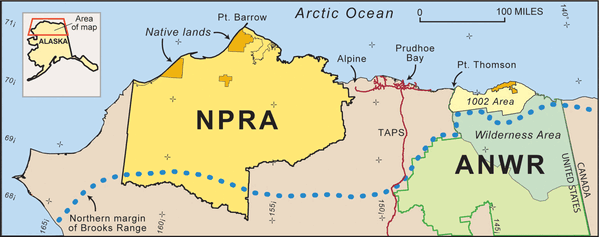
National Petroleum Reserve Oil Drilling Project Case Study Wins 2025 CSE Prize Competition
May 11 2026
“The Willow Project and Environmental Justice” balances economic, ecological, and cultural considerations while foregrounding environmental justice concerns.
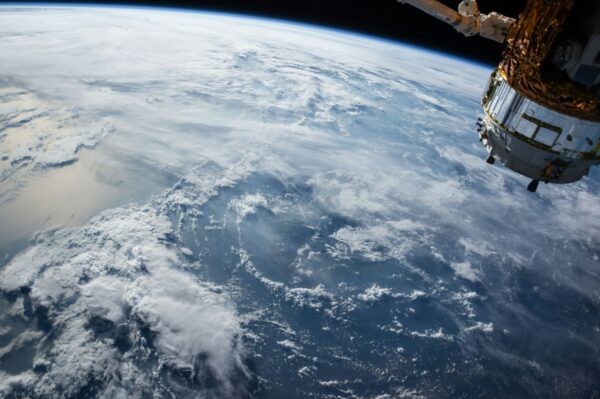
What the Artemis II Astronauts Revealed About Awe in Space
Apr 16 2026
Author Deana Weibel on the ultraview effect and what the recent Artemis II mission shows us about the powerful experience of awe.
UC Press welcomes The Chemical Educator to its portfolio of journals
Jan 22 2026
The Chemical Educator is a peer-reviewed journal dedicated to advancing excellence in chemistry education.
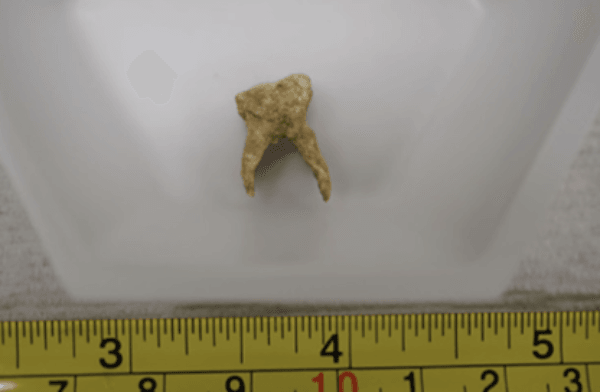
Late Antiquity and the Paleosciences: New Frontiers
Dec 15 2025
From studies of fossilized pollen, which shed light on peoples’ use of the land, to the recovery of ancient human genomes, which help us reimagine group identities, social cohesion, and migration, the paleosciences now contribute regularly to the study of Late Antiquity.

Q&A with Sonali Majumdar, author of "Thriving as an International Scientist"
Oct 28 2025
Author Sonali Majumdar shares her advice on how international scientists can thrive in their careers — in today's America.

Towards a Humbler, Braver and Kinder Science
Oct 21 2025
Author Fernando Racimo explains how scientists around the world are risking their careers, and sometimes their lives, by defying their places of work, and joining struggles for climate, ecological and social justice.
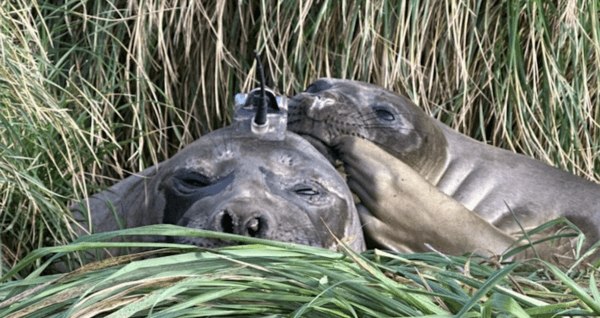
New in Elementa: 20 years of seal-borne ocean sensor research in the Southern Ocean
Jul 18 2025
Having a diverse, resilient, and robust system of observations, with a complimentary suite of observing platforms–one of which has been the animal-borne ocean observations–has provided key observations from the Antarctic.
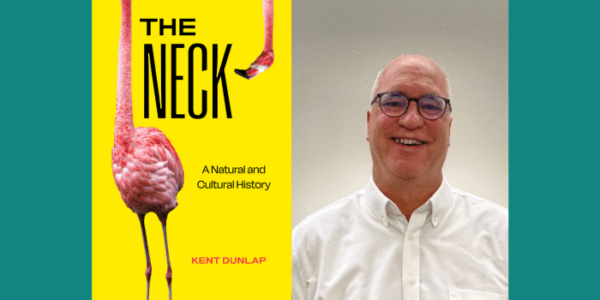
Q&A with Kent Dunlap, author of "The Neck"
May 13 2025
Author Kent Dunlap on the diversity and evolution of necks and what the neck teaches us about human culture.
Help Us Grow Our FirstGen Program!
Apr 22 2025
UC Press has great news to share about FirstGen program growth and seeks your support for its continued success. Here’s how our program has benefitted first-gen authors so far.