19 Results
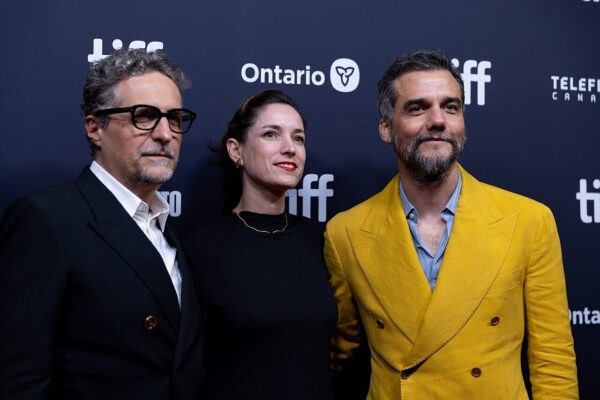
How Brazilian Cinema Captured the Moment: A Q&A with Gerd Gemünden
Mar 09 2026
Winner of two Golden Globes, "The Secret Agent" has been nominated for four Academy Awards. The film's critical success underscores the special moment Brazilian cinema is currently enjoying.
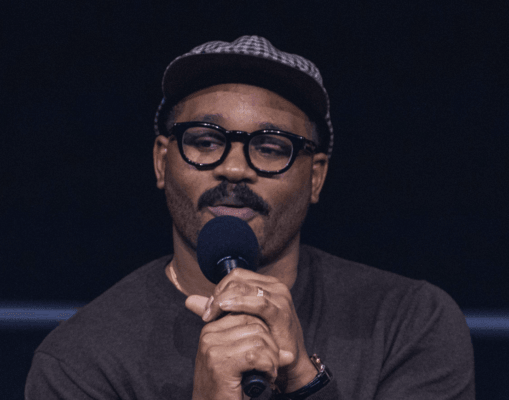
Whether or Not "Sinners" Wins the Oscar, Ryan Coogler’s Genre-Bending Film Signals a New Era for Original Cinema
Mar 06 2026
A Q&A with "Film Quarterly" contributor Anthony Michael D’Agostino
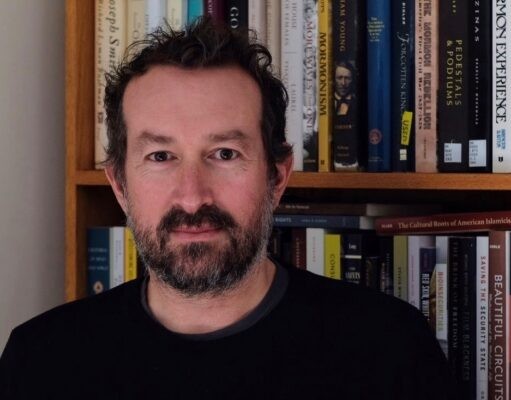
"I hope 'One Battle After Another' wins a million awards": A Q&A with Peter Coviello
Feb 26 2026
For me, Anderson is a filmmaker who read a book about state terror and counterfascist mobilization and metabolized Pynchon’s "Vineland" into the unlikeliest of things: a movie, a mass-cultural product that wants to think clearly and hard about the here-and-now-ness of an American fascism.

Reverse Weather Vane: Pauline Kael and "Film Quarterly"
Sep 17 2025
Film Quarterly's editor considers the legacy of film critic Pauline Kael.
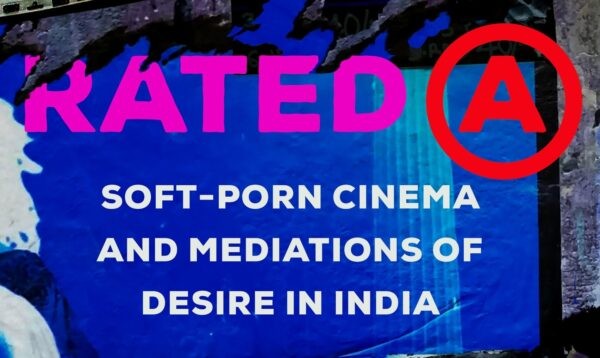
An Exploration into India’s Adult Film Industry
Apr 01 2025
Darshana Sreedhar Mini, author of "Rated A," speaks about labor in soft porn in India and the unflattering treatment of actors.
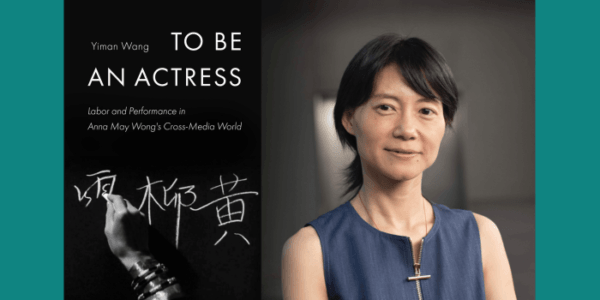
Interview with Yiman Wang, author of "To Be an Actress"
Mar 08 2025
Yiman Wang, author of "To Be an Actress," talks about the enduring legacy of actress Anna May Wong
Uncovering Stand-Up Comedy’s Feminist Media History
Feb 22 2025
Hattie Noel was a trailblazer of the stand-up comedy form. While the visual archive shows her constrained in the controlling images of Disney’s hippo and Hollywood’s maid, her comedy albums tell a different story of Black representation.

Why We Curate Feminist Film Archives: A Q&A with Feminist Media Histories Guest Editors Maggie Hennefeld and Laura Horak
May 13 2024
“What do we, as feminists, need right now—from cinema, from archives, from our communities? How can filmmaking, film festivals, and social movements of the past inspire or befuddle us today? And what is at stake in selecting and presenting archival works by women to create new forms of community?”
A Look Back at 10 Years of Feminist Media Histories
Mar 14 2024
In celebration of Women's History Month, we've removed the paywall from the guest editors’ introductions from the past nine Spring issues of Feminist Media Histories (FMH). As we anticipate the journal's tenth anniversary issue (forthcoming in April 2024), we invite you to read this selection of con

Q&A with Kathleen Loock, author of Hollywood Remaking
Mar 11 2024
From the inception of cinema to today’s franchise era, remaking has always been a motor of ongoing film production. Hollywood Remaking challenges the categorical dismissal in film criticism of remakes, sequels, and franchises by probing what these formats really do when they revisit familiar stories