Flying High with the Angels: Death on the Margins
In 2008, together with my Suffolk University colleague Maureen Norton Hawk, I launched a research project aimed at understanding the life experiences of women who cycle through jails and prisons, hospitals and rehab, and battered women’s and homeless shelters. The goal was to spend five years following fifty or so women recently released from prison in Massachusetts. We wanted to know how their lives evolved. Did the many therapeutic programs they participate in “save” them, that is, help them move into secure housing and good jobs? Did their prison records set them up for permanent failure? Did any manage to achieve their stated goals of stable relationships, family reunification, and their own homes?
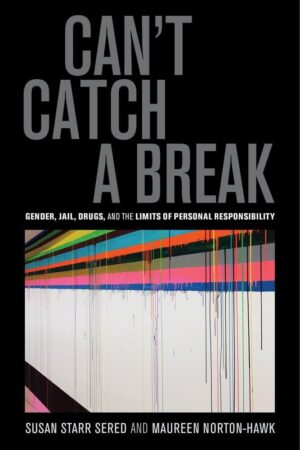
In 2015, we published the book Can’t Catch a Break: Gender, Jail, Drugs, and the Limits of Personal Responsibility. That book presented a bleak picture. Most continued to struggle with poor health, poverty, and unsatisfactory relationships with men.
At the end of the formal project, many of the women wanted to stay in touch with us. Over these next dozen years, I developed a blog posting updates on the women who stayed in touch.
As the years went on, some women finally settled into secure housing, some fell out of touch, and too many died. Needing to acknowledge these deaths, I began writing brief eulogies or obituaries – primarily intended to comfort the late woman’s family and friends, and in some cases, to help ensure that their children would have a written record of their mother’s talents, passions, and complexities.
Closure: Life, Death, and In-between
In May 2025, my own relationship with life and death changed. On the eve of my 70th birthday, I was diagnosed with endometrial cancer, likely a fatal disease, and I felt the need for closure. These women had been part of my life for so many years. I’d been with them when their children were born and when their children were removed from their home by welfare authorities. I’d celebrated their graduations from programs and visited them when they were back in jail. And most touching (at least to me), I had become a grandparent at the same time (sometimes even the same month) as several of the women. The time felt right to undertake a final accounting.
With mortality newly at the forefront of my mind – indeed pushing out almost all other thoughts from my head – I decided to revisit the brief obituaries and eulogies I’d penned in the immediate and often traumatic aftermath of some of the deaths. On some level, I think I wanted to continue learning from the women. Just as over the years, they’d taught me strategies for surviving on the streets, I hoped to learn from them how to die – a skill we’re rarely taught until it’s far too late. Was I looking for a final message, a gem of wisdom known only to those most marginalized, most stigmatized, most cast off?
As I read and re-read my notes as well as the social media messages some women posted when their friends died, and that their friends posted when they died, I noticed – or maybe imagined – a theme. None expressed fear of death. They didn’t want to die, but they didn’t fear it. And equally interesting, they nearly always described post-death existence in active terms as “flying with the angels” or “flying high with the angels.” No resting at the foot of the throne of the Lord for these women. Death was their turn to soar.
On a more pragmatic level, I found myself dealing with brain fog (induced by cancer treatment) and the kind of timeline that made a “real” book impossible. With the encouragement of friends and family, I made the decision to self-publish a short book featuring expanded versions of the eulogies – some rewritten as dialogues with women with whom I felt particularly close.
Closure: Self-publishing and Prescriptions for Change
Flying High with the Angels represents another kind of closure for me. Fall 2026 was the first time in 68 years that September would not be the start of a new school year for me. I’d always said that I didn’t plan to retire but that perhaps I’d eventually “graduate”. Urged on by a close friend, I decided that unlike my earlier books that documented and analyzed problems, the time had come for me to make a statement about what I believe must and can change to save the lives of women on the margins. I’d always been hesitant about recommending specific policies because I know that no single policy can fix a social landscape battered by thousands of years of gender, racial, and economic inequality.
I suppose I always thought that there’d be a “later” in which I would write my grand prescription for remaking society. Now I knew there would not be. So in the spirit of collegiality that I have enjoyed throughout my career, I reached out to all my Suffolk University colleagues – past and present – with a request that they each write three or four sentences describing a single program or policy that they strongly believe can make a difference in the lives of women like the ones I’ve worked with. Taken together, these “prescriptions for change” offer a variety of eminently feasible (often already proven successful) programs and policies that I hope my readers can get behind.
I’ve given a great deal of thought to the audience I’d like to reach with this short book. I see it as a useful addition for individuals and classes who read or are reading Can’t Catch a Break. I also plan to distribute copies to various social service programs together with offers of virtual visits, etc. My hope is that this book will appeal to book clubs, student groups, church and synagogue reading circles, and other groups looking for short, engaging reads that link to meaningful prescriptions for change.
All proceeds from the sale of the book will be donated to Boston-area organizations that serve the marginalized, criminalized and insecurely housed women.
About the Author
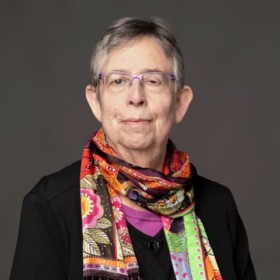
Susan Starr Sered is Professor of Sociology and Senior Researcher at the Center for Women's Health and Human Rights at Suffolk University in Boston. She is the author of Uninsured in America: Life and Death in the Land of Opportunity. Read more about the women in Can't Catch a Break and Susan's research on her blog at http://susan.sered.name/blog/.