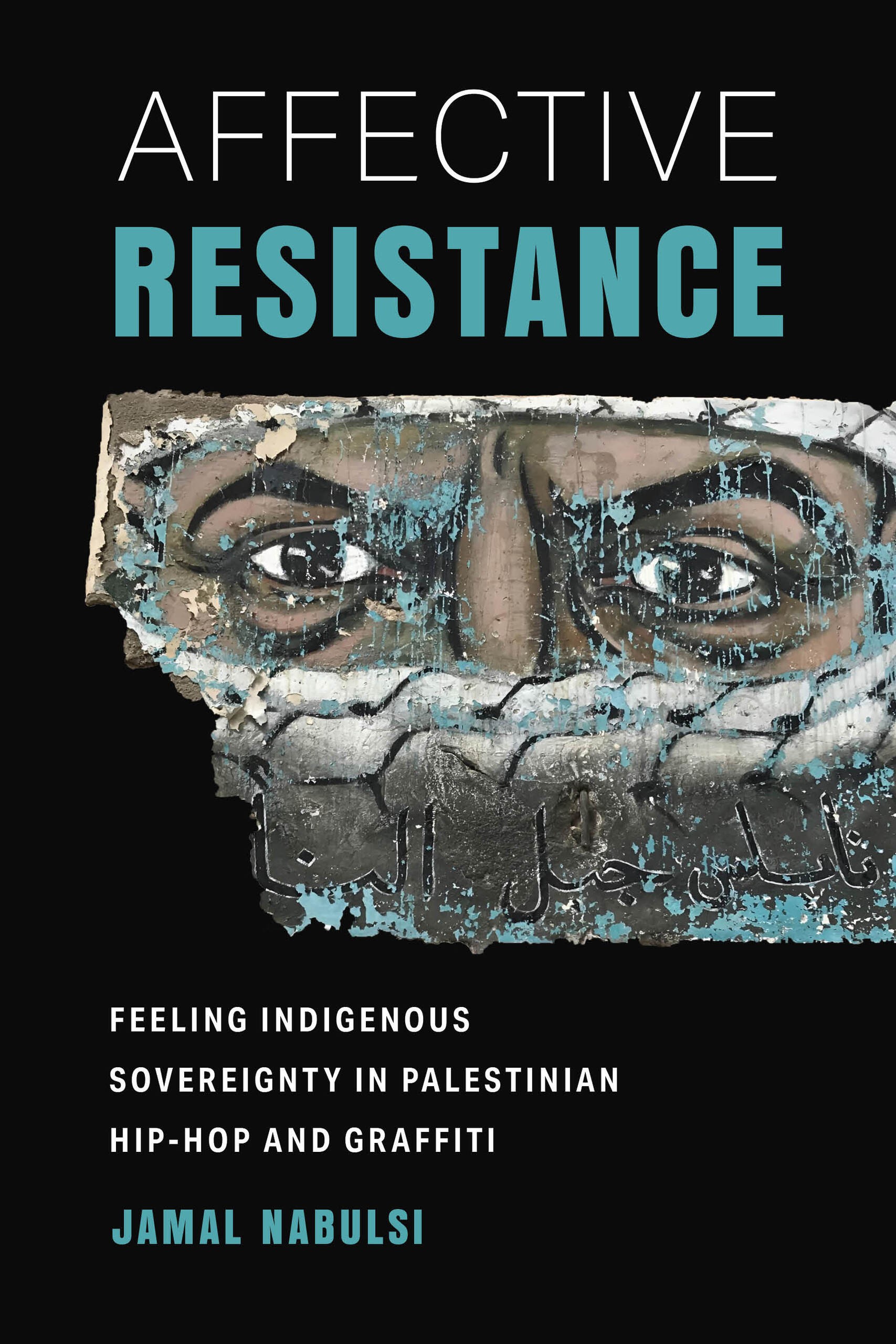
“Focused on the felt dimensions of Palestinian belonging and attachment to homeland—through distinct cultural practices that create and maintain spaces of mutual recognition—this nuanced and compelling study of affect and relationality reveals a paradox of resistance that illuminates a complex and decolonizing politics of emotion. Jamal Nabulsi deftly theorizes embodied sovereignty and Indigenous agency emerging from and with the land, which speaks to both the incomplete nature of settler colonial domination and the power of sustaining Palestinian peoplehood in an enduring commitment to liberation.”—J. Kēhaulani Kauanui, author of Paradoxes of Hawaiian Sovereignty: Land, Sex, and the Colonial Politics of State Nationalism
“This is an ethnographically rich account of Palestinian affective life under a system of settler colonial apartheid. Its intellectually generous narrative truly dignifies the resistance of its interlocutors.”—Laleh Khalili, author of Heroes and Martyrs of Palestine: The Politics of National Commemoration
“In this groundbreaking book, Nabulsi reveals the power of emotions implicated in the often-paradoxical struggle for Palestinian national liberation. Affective Resistance is a must-read as it demonstrates the significance of the felt phenomenon and how feeling a sense of attachment to the land is central to the practice and purpose of resistance.”—Somdeep Sen, author of Decolonizing Palestine: Hamas Between the Anticolonial and the Postcolonial
“Nabulsi offers an innovative reading of graffiti and hip-hop in Palestine as a form of affective sovereignty that is embodied in Palestinian belonging, history, and deep love of the land and homeland. He centers resistance as a paradoxical process negotiated by feelings of hope, resilience, anger, and yes, also despair.”—Lana Tatour, coeditor of Race and the Question of Palestine
“In this time, the first task of responsible scholarship is to listen to the voices of Palestinians. Nabulsi’s work not only does so, it provides a framework and language for others to hear them.”—Jim Hicks, author of Lessons from Sarajevo: A War Stories Primer