11 Results
"Studies in Late Antiquity" Announces Winner of the Elizabeth DePalma Digeser Article Prize
Sep 18 2026
The winning article successfully brings the richness of late antique scholarship on religious communities into early medieval middle eastern conversations.
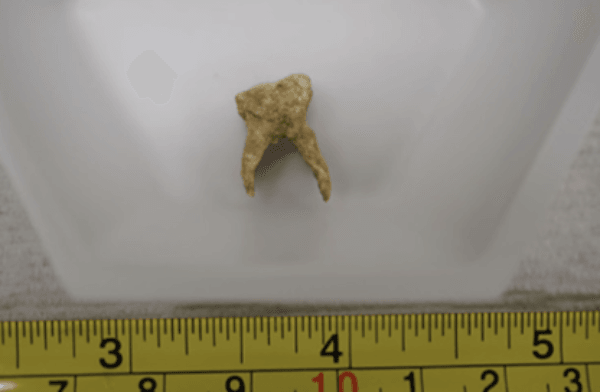
Late Antiquity and the Paleosciences: New Frontiers
Dec 15 2025
From studies of fossilized pollen, which shed light on peoples’ use of the land, to the recovery of ancient human genomes, which help us reimagine group identities, social cohesion, and migration, the paleosciences now contribute regularly to the study of Late Antiquity.

Saints and Stylites: A Q&A with Dina Boero
Aug 28 2025
Hagiography Society Article Prize-winner Dina Boero tells us about “stylites,” Christian saints who lived for years and even decades on top of columns.
"Studies in Late Antiquity" Announces Inaugural Best Article of the Year Award
Aug 07 2025
Congratulations to J. Riley Snyder and Mira Balberg, co-winners of SLA's Best Article Award.
Emerging Scholars of Late Antiquity: A New Feature of "Studies in Late Antiquity"
Mar 14 2025
SLA aims to diversify the field of late ancient studies with a new mentorship program for high school and undergraduate students from underrepresented backgrounds.
A Late Antiquity on its Own Terms: New Material Perspectives on Late Antique Urbanism
Nov 21 2024
A special issue of "Studies in Late Antiquity" explores debates about urban development in the Mediterranean from the late third to seventh century.
A City Prone to Disasters
Jun 07 2023
by Jonas Borsch, author of "God’s Wrath over Antioch, 525–540 CE: Beginning of the End?" from the new special issue of Studies in Late AntiquityThe Tyche (or "Fortune") of Antioch (modern Antakya), now at the Vatican Museum in Rome. The statue is a marble Roman copy after a Greek bronze original
Vintage California: Reflections on the birth of a new journal for the study of Late Antiquity
May 10 2021
By Ra‘anan Boustan, Co-Editor of Studies in Late AntiquityWhen I arrived at UCLA back in 2006 as an Assistant Professor, I had recently completed my graduate studies in the Department of Religion at Princeton University. At Princeton, faculty across the Departments of Art & Archaeology,

Interview with Elizabeth DePalma Digeser, Editor of Studies in Late Antiquity
Dec 02 2020
Since its launch in early 2017, the online quarterly journal Studies in Late Antiquity has published ground-breaking and wide-ranging interdisciplinary research on the world of Late Antiquity (150-750 CE).Elizabeth DePalma Digeser, founding editor of Studies in Late Antiquity, joined UC Press Ac
Free Content Offer from UC Press Journals about the Ancient World for #SCS2020
Jan 02 2020
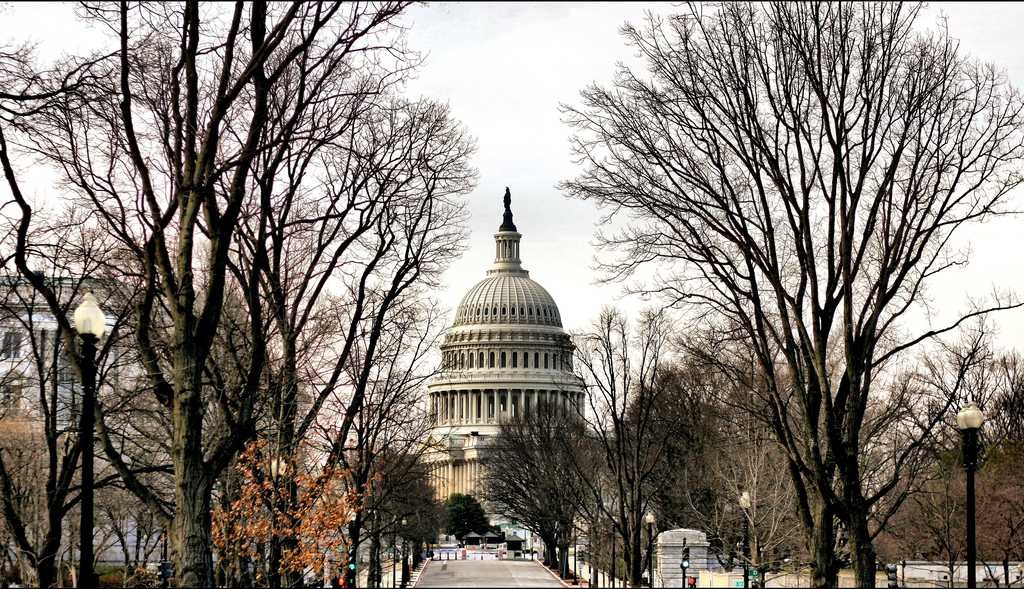
We're celebrating the annual meeting of the Society for Classical Studies, which is being held from January 2-5, 2020, in Washington, DC, with a special offer from UC Press journals. We've made recent issues of our journals likely to most appeal to scholars of the ancient world free to read online f