9 Results
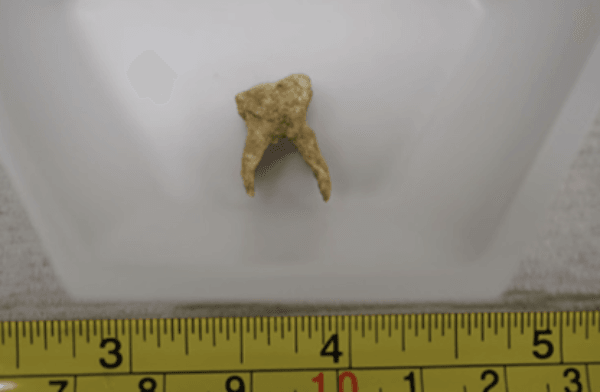
Late Antiquity and the Paleosciences: New Frontiers
Dec 15 2025
From studies of fossilized pollen, which shed light on peoples’ use of the land, to the recovery of ancient human genomes, which help us reimagine group identities, social cohesion, and migration, the paleosciences now contribute regularly to the study of Late Antiquity.
Author Ellen Muehlberger on Building a Book
Nov 19 2025
Author Ellen Muehlberger on her path to writing THINGS UNSEEN.
"Studies in Late Antiquity" Announces Inaugural Best Article of the Year Award
Aug 07 2025
Congratulations to J. Riley Snyder and Mira Balberg, co-winners of SLA's Best Article Award.

How to Rule an Ancient Empire
Jul 22 2025
Author Rhyne King talks about the making of the ancient Persian Empire.

Judith Butler Explores Fury and Justice in the Humanities
Jun 14 2023
By Mario Telo, Editorial Board Chair, Classical AntiquityWe are very proud to publish “Fury and Justice in the Humanities” by Judith Butler in the new issue of Classical Antiquity. The boldest and most compelling thinker, the most influential and inspiring public intellectual, someone whose
A City Prone to Disasters
Jun 07 2023
by Jonas Borsch, author of "God’s Wrath over Antioch, 525–540 CE: Beginning of the End?" from the new special issue of Studies in Late AntiquityThe Tyche (or "Fortune") of Antioch (modern Antakya), now at the Vatican Museum in Rome. The statue is a marble Roman copy after a Greek bronze original

Rome’s Final Pagan Generation and America’s Climate Failure
Oct 21 2020
by Edward J. Watts, author of The Final Pagan Generation: Rome's Unexpected Path to ChristianityIn 392 AD, a Christian mob destroyed the Alexandrian temple of Serapis, the biggest and most impressive temple in the eastern Mediterranean. The six-hundred-year-old Serapeum complex had stood on

Virtual Q&A with Edward Watts, author of The Final Pagan Generation
Sep 25 2020
Rome in the time of the fourth century was one of dramatic political and religious change. After thousands of years of pagan tradition, Christianity was suddenly the new order. In 311, The Emperor Constantine converted to Christianity. Heated confrontations saw the Christian establishment legislate
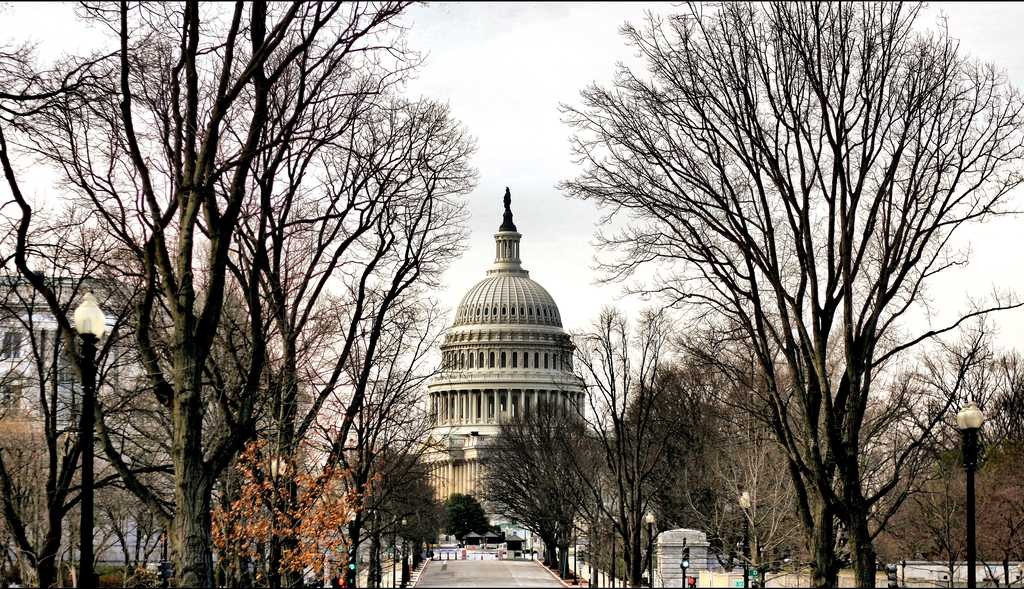
Free Content Offer from UC Press Journals about the Ancient World for #SCS2020
Jan 02 2020
We're celebrating the annual meeting of the Society for Classical Studies, which is being held from January 2-5, 2020, in Washington, DC, with a special offer from UC Press journals. We've made recent issues of our journals likely to most appeal to scholars of the ancient world free to read online f