University of California Press

About the Book

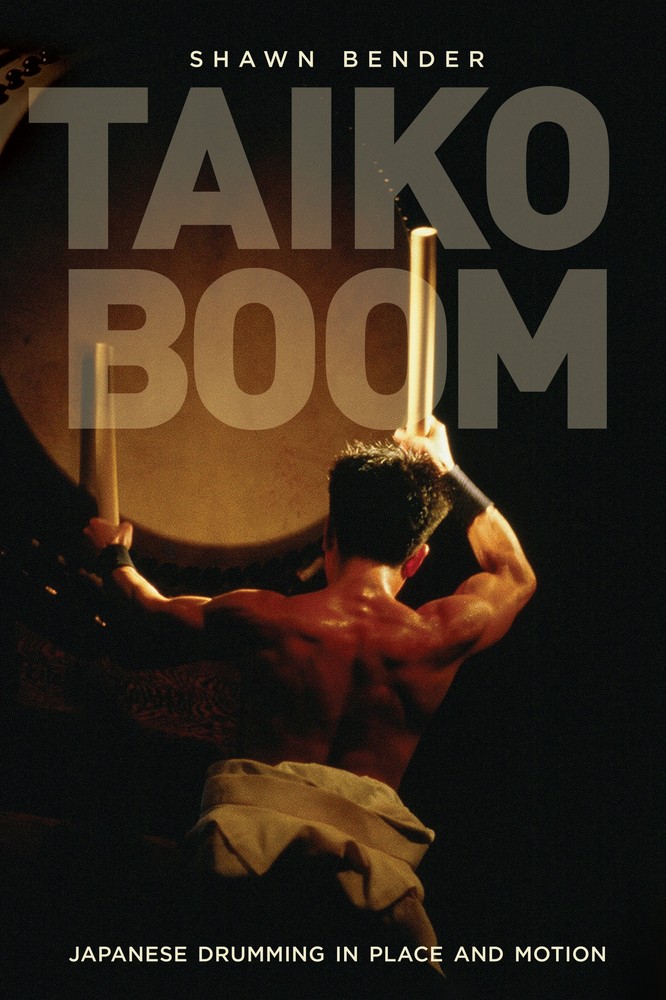
With its thunderous sounds and dazzling choreography, Japanese taiko drumming has captivated audiences in Japan and across the world, making it one of the most successful performing arts to emerge from Japan in the past century. Based on ethnographic fieldwork conducted among taiko groups in Japan, Taiko Boom explores the origins of taiko in the early postwar period and its popularization over the following decades of rapid economic growth in Japan’s cities and countryside. Building on the insights of globalization studies, the book argues that taiko developed within and has come to express new forms of communal association in a Japan increasingly engaged with global cultural flows. While its popularity has created new opportunities for Japanese to participate in community life, this study also reveals how the discourses and practices of taiko drummers dramatize tensions inherent in Japanese conceptions of race, the body, gender, authenticity, and locality.

About the Author

Shawn Bender is a Cultural Anthropologist and Assistant Professor of East Asian Studies at Dickinson College.

Table of Contents

List of Illustrations
Acknowledgments
Note on Translation, Japanese Names, and Romanization

Introduction

Part One. The Emergence and Popularization of Taiko
1. Taiko Drums and Taiko Drum Makers
2. Genealogies of Taiko I: Osuwa Daiko, Sukeroku Daiko, Ondekoza
3. Genealogies of Taiko II: Ondekoza to Kodo
4. Placing Ensemble Taiko in Japan: Festival Creation and the Taiko Boom

Part Two. Discourses of Contemporary Taiko
5. (Dis)Locating Drumming: Taiko Training, Embodiment, and the Aesthetics of Race and Place
6. Woman Unbound? Body and Gender in Japanese Taiko
7. The Sound of Militarism? New Texts, Old Nationalism, and the Disembodiment of Taiko Technique

Epilogue: Taiko at Home and Abroad

Notes
References
Index

Reviews

“This groundbreaking work is the first comprehensive study of the subject in English (or Japanese) and as such, is destined to be a classic text. . . . Whether in place or in motion, those who really want to know Japanese drumming will find this book essential.”
International Examiner
“Thorough. . . . Recommended.”
Choice
“Bender practices the type of hands-on approach to research that invariably produces the most interesting results. . . . Well researched, immensely detailed, this may well be the last word, or sound, on the subject for a long time.”
Japan Times
"Engaging, entertaining and accessible . . . fascinating . . . a very welcome addition to the literature."
The Japan Society of the UK
"Taiko Boom addresses a major gap in the literature. . . . A real strength is the author’s informative yet accessible style. Bender’s narrative is strewed with fascinating gems."
Japan Forum
"A welcome contribution to studies of globalization, music, and Japan studies more generally. . . . Engrossing ethnography . . .  Extensive fieldwork."
The Journal of Asian Studies
"The first book in English to deal solely with the post-Second World War development of ensemble taiko drumming in Japan. . . . A milestone publication providing a research foundation for others to draw from while also offering a methodology for future studies."
Journal of the Royal Anthropological Institute
"Bender’s straightforward prose, his focus on issues of gender, race, locality and nationalism, and his avoidance of musical minutiae make the book inviting to a general readership and an excellent text for undergraduate classes on Japanese culture... [Taiko Boom] is an invaluable contribution to our understanding of this genre and what it means for Japan.”
Ethnomusicology Forum
“Thought-provoking, informative and fresh, Bender’s multi-faceted ethnomusicology of taiko promises to endure as the definitive scholarship on the topic for some time to come." -E. Taylor Atkins, author of Blue Nippon


“Immensely readable, unique and thoughtful, Taiko Boom is a must-have for anyone interested in taiko, and there are many--it’s difficult to overstate the explosion in popularitytaiko has experienced globally. Flashy and powerful, it’s unlike any other music. Bender presents here the first thorough look at this art form in Japan, detailing the origins and meaning of this style.” - Jennifer Milioto Matsue, Associate Professor of Music, Asian Studies and Anthropology at Union College