University of California Press

About the Book

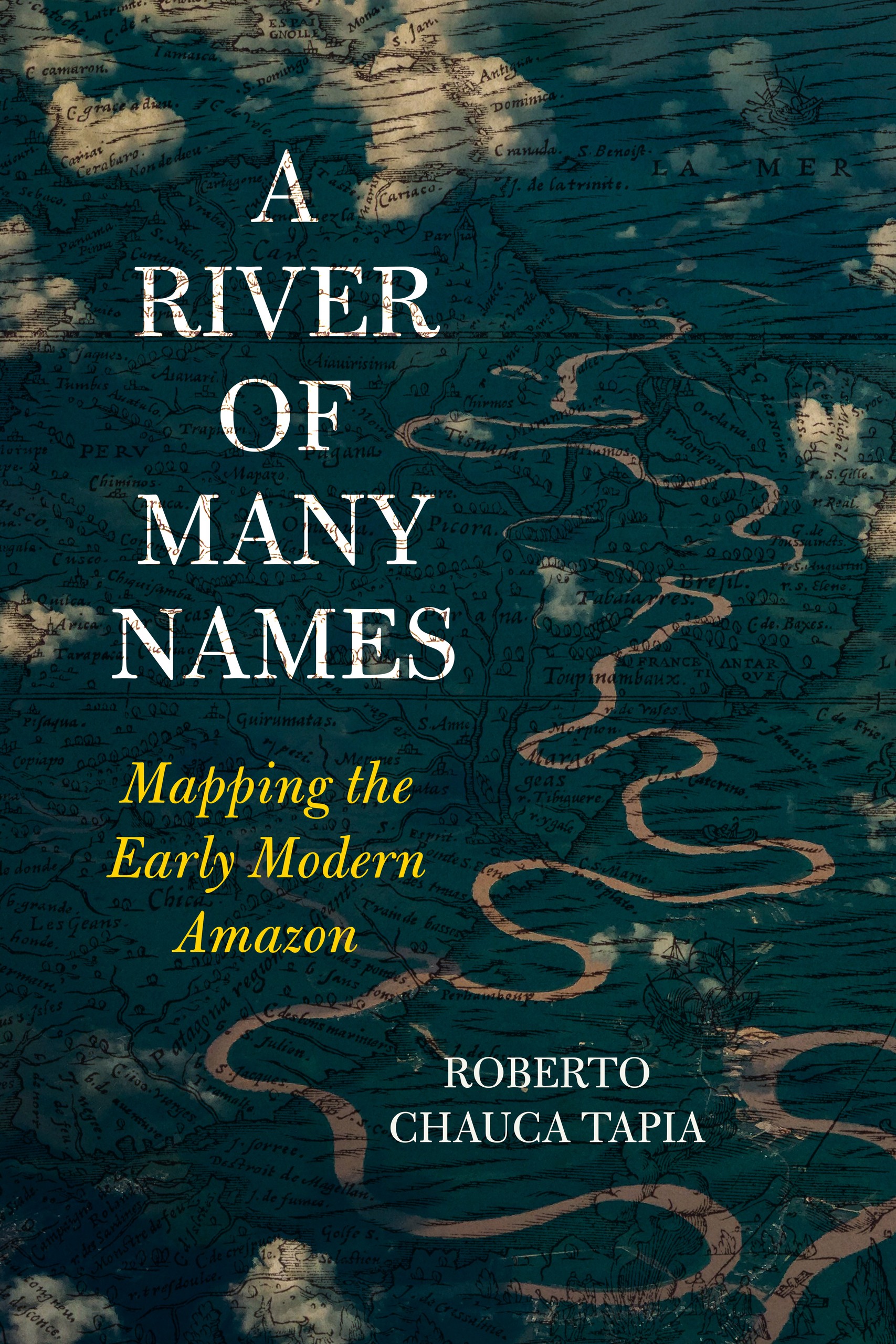
The concept of the Amazon River as we know it today emerged in the middle of the seventeenth century, when maps and accounts focused exclusively on the river began to circulate following a series of Iberian expeditions in the late 1630s. Before that, the Amazon already existed, but under dissimilar outlines and names: “Mar Dulce,” “Río Grande,” “Marañón,” “Orellana,” and eventually “Amazon.” Offering the first comprehensive geographic and cartographic history of the early modern Amazon River, Roberto Chauca Tapia traces these multiple hydronyms and forms to reveal the tribulations of Western colonialism in the New World, the Indigenous and European agents who participated in this process, and the contradictory parameters they used to define the river. In the end, A River of Many Names demonstrates that pilots and explorers “discovered” not just one “Amazon” but many “Amazons.”

About the Author

Roberto Chauca Tapia is Lecturer in History in the School of Humanities at the University of Sydney.

Table of Contents

Contents

List of Illustrations

Note on Figures and Place-Names

Acknowledgments

Prologue: Why the “Many Names” of the Amazon?

1. The Mar Dulce and the Río Grande

2. The Marañón

3. The Orellana

4. The Amazon

5. From Estuaries to Headwaters

6. Obscure Headwaters, Renowned Estuaries

Epilogue: Mapping the River of Many Names

Notes

Bibliography

Index

Reviews

“Roberto Chauca Tapia approaches the history of the Amazon region from an original and innovative perspective, examining the evolving understandings of the river—an element that has long been, and remains today, a central artery for human settlement in the region.”—Rafael Chambouleyron, Professor of History, Universidade Federal do Pará, Brazil

“A River of Many Names makes a valuable and highly readable contribution to understanding the Amazon as a whole, to contextualizing its place in the emerging Atlantic world, to appreciating the impact of Indigenous knowledge in shaping that role, and to the region’s environmental history.”—Mark Harris, author of The Making of Brazilian Amazonian Societies: A Study in Ethnographic and Spatial History