11 Results
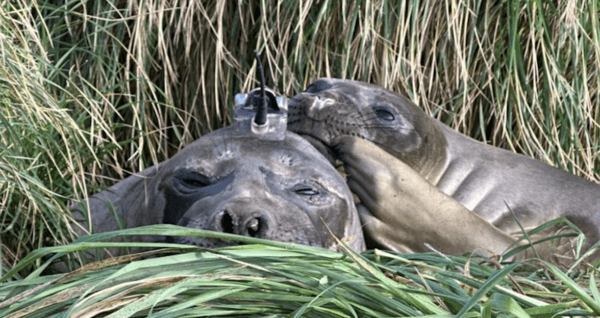
New in Elementa: 20 years of seal-borne ocean sensor research in the Southern Ocean
Jul 18 2025
Having a diverse, resilient, and robust system of observations, with a complimentary suite of observing platforms–one of which has been the animal-borne ocean observations–has provided key observations from the Antarctic.

Celebrating 10 Years of Elementa: Science of the Anthropocene
Jul 06 2024
In December 2013, UC Press’s mission-driven, trans-disciplinary, open-access journal Elementa: Science of the Anthropocene published its first article, ushering in its motto, “Open Science for Public Good.” In this blog post we pause to reflect and take note of some of the publication highlights fro

A Q&A with Elementa: Science of the Anthropocene Ocean Science EIC Jody Deming
Dec 11 2023
Elementa is the right home for this type of research because we make a special effort to accommodate work that is, by necessity and intent, highly interdisciplinary, including work at the interface of various practices, from science to education and policy.

A Look Inside Sea Change, a Stunning New Atlas for Our Times
Apr 22 2023
"A stunning atlas of the present and future."—Rebecca Solnit

A Q&A with Elementa Associate Editor River Shen
Sep 01 2022
"With its richness of civilizations, the Pan-Pacific realm has been experiencing especially severe environmental pollution and ecological crisis, associated with swift regional economic development over past decades."

Hundreds of international scientists, 12 months on an icebreaker in the Arctic: Elementa’s MOSAiC Expedition Special Feature
Feb 10 2022
"We hope that MOSAiC data lays the foundation for research on Arctic processes for many years to come and will improve not only our general understanding, but also our predictive capabilities in this region of the world."

Essential Guides for California Nature Lovers
Sep 03 2020
In California, early fall is perhaps the best time of the year to get out and explore. Here are some of our bestselling guides and perennial favorites for exploring the state's wilderness and wildlife.

Drew Harvell Wins Sustainability Science Award
Aug 05 2020
UC Press is proud to share that Drew Harvell has been chosen as the 2020 recipient of the Ecological Society of America's Sustainability Science Award for her UC Press-published Ocean Outbreak: Confronting the Rising Tide of Marine Disease.Granted annually, the award is given in recognit

Call for Papers: COVID-19 and the Anthropocene
Apr 09 2020
The global coronavirus pandemic has already affected most of the planet in innumerable ways. Beyond its devastating human health toll, we are witnessing atmospheric, resource use, ecological, cultural, economic, and political consequences materializing in many places and at a scale that is unprecede

Become an Author: Meet Editor Stacy Eisenstark at ESA 2019
Aug 09 2019
The environmental problems we face will not be solved by one disciplinary approach. It will take big ideas, research, and collaboration from social sciences, humanities, and sciences to find innovative, equitable, and practical solutions to these global issues. We are expanding our offerings in envi