About the Book
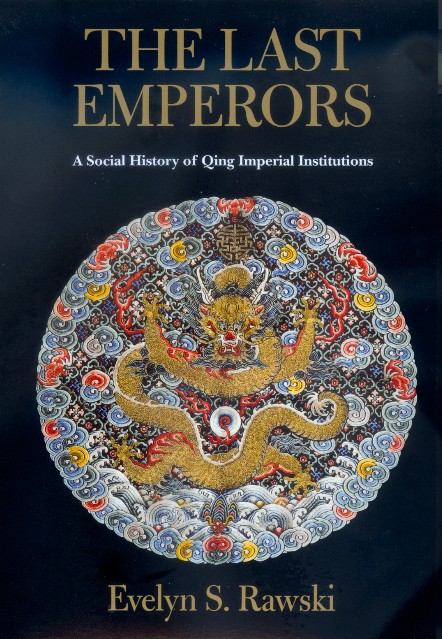
The Qing Dynasty (1644-1911) was the last and arguably the greatest of the conquest dynasties to rule China. Its rulers, Manchus from the north, held power for three centuries despite major cultural and ideological differences with the Han majority. In this book, Evelyn Rawski offers a bold new interpretation of the remarkable success of this dynasty, arguing that it derived not from the assimilation of the dominant Chinese culture, as has previously been believed, but rather from an artful synthesis of Manchu leadership styles with Han Chinese policies.
About the Author
Evelyn S. Rawski is University Professor of History at the University of Pittsburgh, coauthor of Chinese Society in the Eighteenth Century (1987), and coeditor of Harmony and Counterpoint: Ritual Music in Chinese Context (1996), Death Ritual in Late Imperial and Modern China (California, 1988), and Popular Culture in Late Imperial China (California, 1985).
Table of Contents
List of Illustrations
List of Tables
Acknowledgments
Introduction
PART ONE: THE MATERIAL CULTURE OF THE QING COURT
1. The Court Society
PART TWO: THE SOCIAL ORGANIZATION OF THE QING COURT
2. The Conquest Elite and the Imperial Lineage
3.Sibling Politics
4. Imperial Women
5. Palace Servants
PART THREE: QING COURT RITUALS
6. Rulership and Ritual Action in the Chinese Realm
7. Shamanism and Tibetan Buddhism at Court
8. Private Rituals
Conclusion
Appendix 1. Names of Qing Emperors and the Imperial Ancestors
Appendix 2. Imperial Princely Ranks
Notes
Bibliography
Glossary-Index