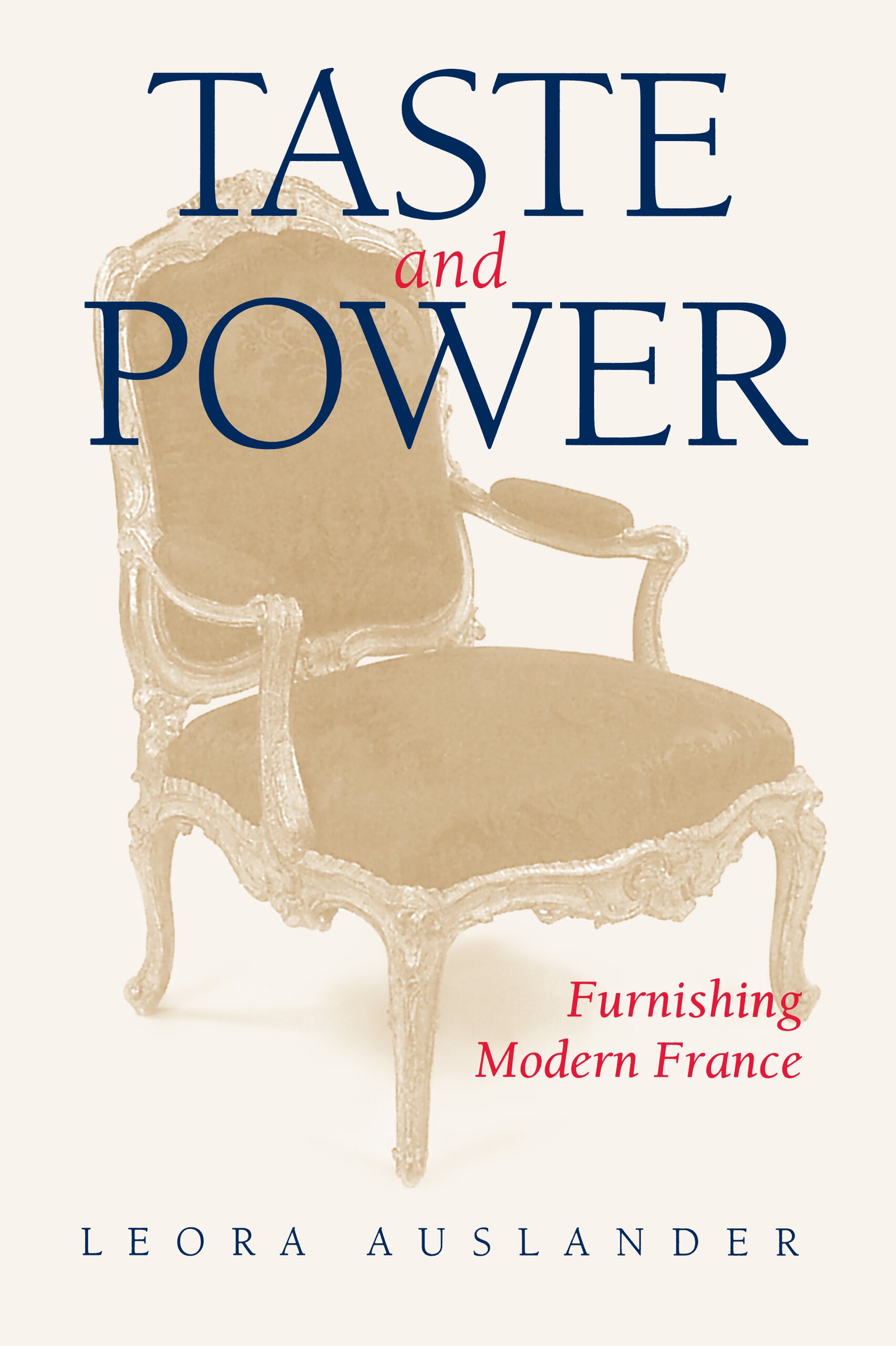
About the Book
Louis XIV, regency, rococo, neoclassical, empire, art nouveau, and historicist pastiche: furniture styles march across French history as regimes rise and fall. In this extraordinary social history, Leora Auslander explores the changing meaning of furniture from the mid-seventeenth to the early twentieth century, revealing how the aesthetics of everyday life were as integral to political events as to economic and social transformations. Enriched by Auslander's experience as a cabinetmaker, this work demonstrates how furniture served to represent and even generate its makers' and consumers' identities.
Table of Contents
List of Illustrations
Acknowledgments
INTRODUCTION
Representation, Style, and Taste: The Politics of Everyday Life
PART ONE The Paradox of Absolutism: The Power of the Monarch's Limits
1. The Courtly Stylistic Regime: Representation and Power under Absolutism
2. Negotiating Absolute Power: City, Crown, and Church
3· Fathers, Masters, and Kings: Mirroring Monarchical Power
PART TWO From Style to Taste:Transitions to the Bourgeois Stylistic Regime
4· Revolutionary Transformation:
The Demise of the Culture of Production and of the Courtly Stylistic Regime
5· The New Politics of the Everyday: Making Class through Taste and Knowledge
6. The Separation of Aesthetics and Productive Labor
PART THREE The Bourgeois Stylistic Regime: Representation, Nation, State, and the Everyday
7· The Bourgeoisie as Consumers: Social Representation and Power in the Third Republic
8. Style in the New Commercial World
9· After the Culture of Production:The Paradox of Labor and Citizenship
10. Style, the Nation, and the Market: EPILOGUE
The Paradoxes of Representation in a Capitalist Republic
Toward a Mass Stylistic Regime: The Citizen-Consumer
Bibliography
General Index
Index of Names