
About the Book
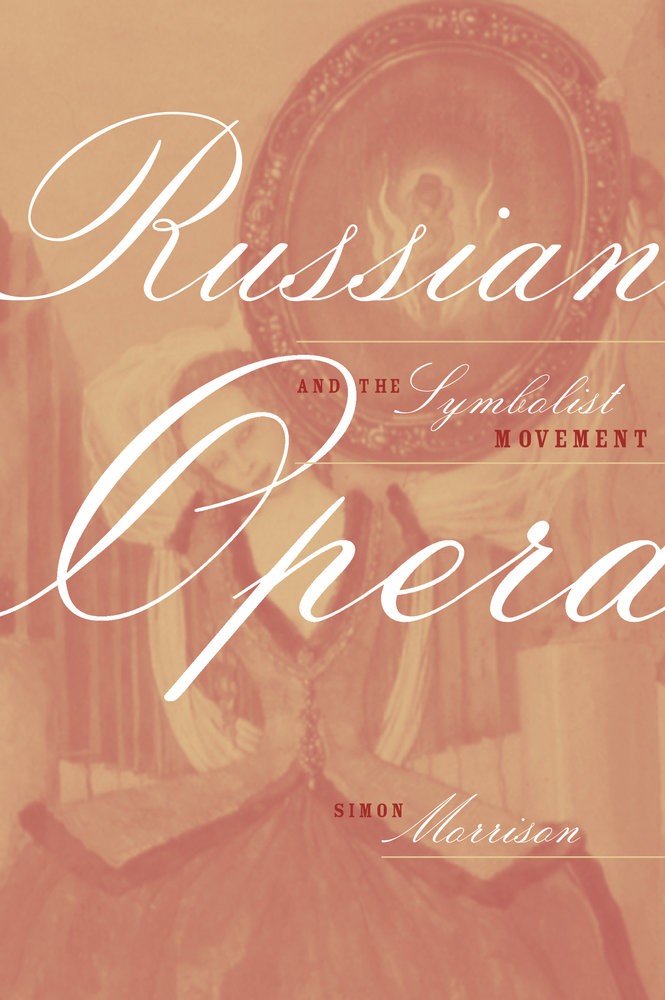
An aesthetic, historical, and theoretical study of four scores, Russian Opera and the Symbolist Movement is a groundbreaking and imaginative treatment of the important yet neglected topic of Russian opera in the Silver Age. Spanning the gap between the supernatural Russian music of the nineteenth century and the compositions of Prokofiev and Stravinsky, this exceptionally insightful and well-researched book explores how Russian symbolist poets interpreted opera and prompted operatic innovation. Simon Morrison shows how these works, though stylistically and technically different, reveal the extent to which the operatic representation of the miraculous can be translated into its enactment.
Morrison treats these largely unstudied pieces by canonical composers: Tchaikovsky's Queen of Spades, Rimsky-Korsakov's Legend of the Invisible City of Kitezh and the Maiden Fevroniya, Scriabin's unfinished Mysterium, and Prokofiev's Fiery Angel. The chapters, revisionist studies of these composers and scores, address separate aspects of Symbolist poetics, discussing such topics as literary and musical decadence, pagan-Christian syncretism, theurgy, and life creation, or the portrayal of art in life. The appendix offers the first complete English-language translation of Scriabin's libretto for the Preparatory Act.
Providing valuable insight into both the Symbolist enterprise and Russian musicology, this book casts new light on opera's evolving, ambiguous place in fin de siècle culture.
Morrison treats these largely unstudied pieces by canonical composers: Tchaikovsky's Queen of Spades, Rimsky-Korsakov's Legend of the Invisible City of Kitezh and the Maiden Fevroniya, Scriabin's unfinished Mysterium, and Prokofiev's Fiery Angel. The chapters, revisionist studies of these composers and scores, address separate aspects of Symbolist poetics, discussing such topics as literary and musical decadence, pagan-Christian syncretism, theurgy, and life creation, or the portrayal of art in life. The appendix offers the first complete English-language translation of Scriabin's libretto for the Preparatory Act.
Providing valuable insight into both the Symbolist enterprise and Russian musicology, this book casts new light on opera's evolving, ambiguous place in fin de siècle culture.