University of California Press

About the Book

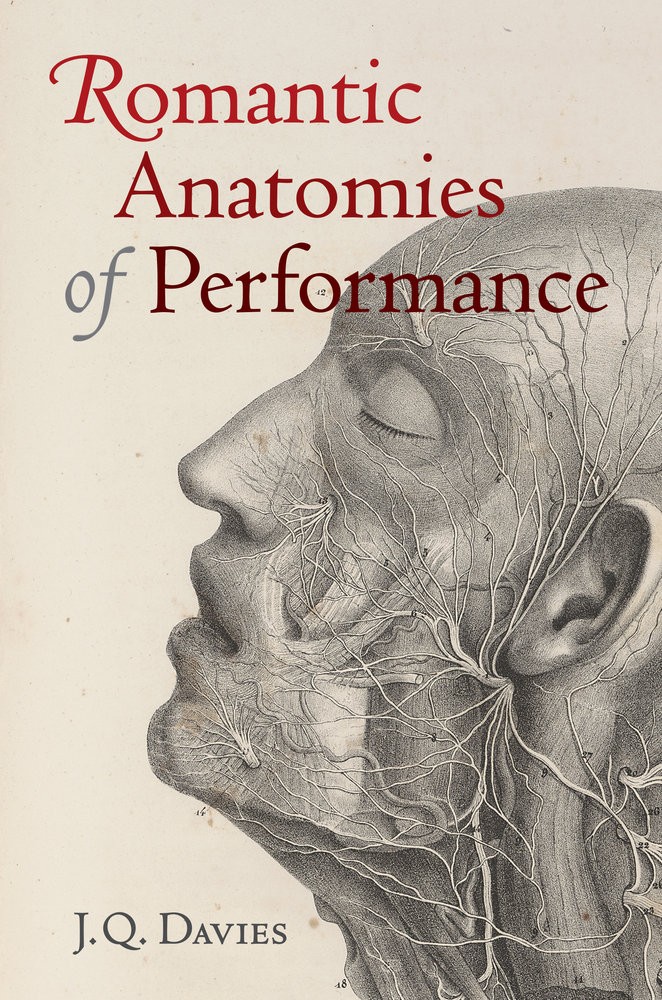
Romantic Anatomies of Performance is concerned with the very matter of musical expression: the hands and voices of virtuosic musicians. Rubini, Chopin, Nourrit, Liszt, Donzelli, Thalberg, Velluti, Sontag, and Malibran were prominent celebrity pianists and singers who plied their trade between London and Paris, the most dynamic musical centers of nineteenth-century Europe. In their day, performers such as these provoked an avalanche of commentary and analysis, inspiring debates over the nature of mind and body, emotion and materiality, spirituality and mechanism, artistry and skill. J. Q. Davies revisits these debates, examining how key musicians and their contemporaries made sense of extraordinary musical and physical abilities. This is a history told as much from scientific and medical writings as traditionally musicological ones. Davies describes competing notions of vocal and pianistic health, contrasts techniques of training, and explores the ways in which music acts in the cultivation of bodies..

About the Author

J.Q. Davies is Assistant Professor of Music at the University of California, Berkeley.

Table of Contents

List of Illustrations and Musical Examples
Acknowledgments
Introduction

1. “Veluti in Speculum”: The Twilight of the Castrato
2. Reflecting on Reflex: A Touching New Fact about Chopin
3. The Sontag-Malibran Stereotype
4. Boneless Hands{ths}/{ths}Thalberg’s Ready-Made Soul{ths}/{ths}Velvet Fingers
5. In Search of Voice: Nourrit’s Voix Mixte, Donzelli’s Bari-Tenor
6. Franz Liszt, Metapianism, and the Cultural History of the Hand

Epilogue
Notes
Index

Reviews

"A brilliant, unique cultural history . . . provides a new spin on early-19th-century music."
CHOICE
"Davies narrating incidents and tracing connections is full of animation and amusement . . . a master of the anecdote and incident."
Times Literary Supplement
“This book presents a brilliant cultural history of musical performance in the first half of the nineteenth century. Taking an original approach to the study of virtuosity, Davies uses a rich set of primary sources, both medical and musical, to conjure a new history of the music-making body, of sound and its physical production.”
Annette Richards, author of The Free Fantasia and the Musical Picturesque

“Through a focus on performers—or, more specifically, on their voices and hands—James Davies offers a material rethinking of musical romanticism that casts well-known figures such as Chopin, Liszt, and Malibran in a striking new light, along with others much less familiar yet just as central to the preoccupations of the time. In both its rich detail and its overarching themes, this book sets a new standard for writing the cultural history of nineteenth-century music.”
Benjamin Walton, author of Rossini in Restoration Paris: The Sound of Modern Life