
About the Book
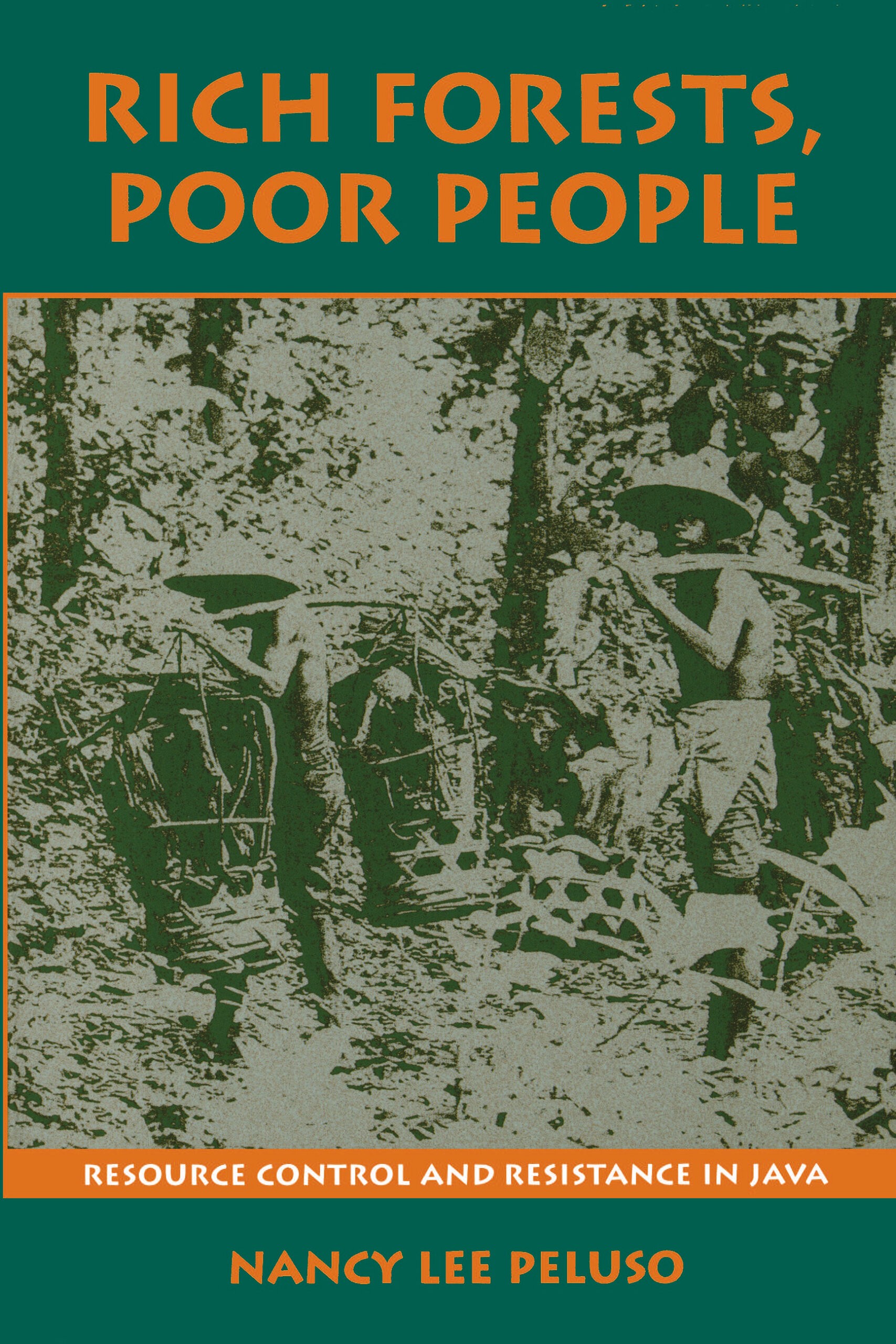
Millions of Javanese peasants live alongside state-controlled forest lands in one of the world's most densely populated agricultural regions. Because their legal access and customary rights to the forest have been severely limited, these peasants have been pushed toward illegal use of forest resources. Rich Forests, Poor People untangles the complex of peasant and state politics that has developed in Java over three centuries.
Drawing on historical materials and intensive field research, including two contemporary case studies, Peluso presents the story of the forest and its people. Without major changes in forest policy, Peluso contends, the situation is portentous. Economic, social, and political costs to the government will increase. Development efforts will by stymied and forest destruction will continue. Mindful that a dramatic shift is unlikely, Peluso suggests how tension between foresters and villagers can be alleviated while giving peasants a greater stake in local forest management.
Drawing on historical materials and intensive field research, including two contemporary case studies, Peluso presents the story of the forest and its people. Without major changes in forest policy, Peluso contends, the situation is portentous. Economic, social, and political costs to the government will increase. Development efforts will by stymied and forest destruction will continue. Mindful that a dramatic shift is unlikely, Peluso suggests how tension between foresters and villagers can be alleviated while giving peasants a greater stake in local forest management.