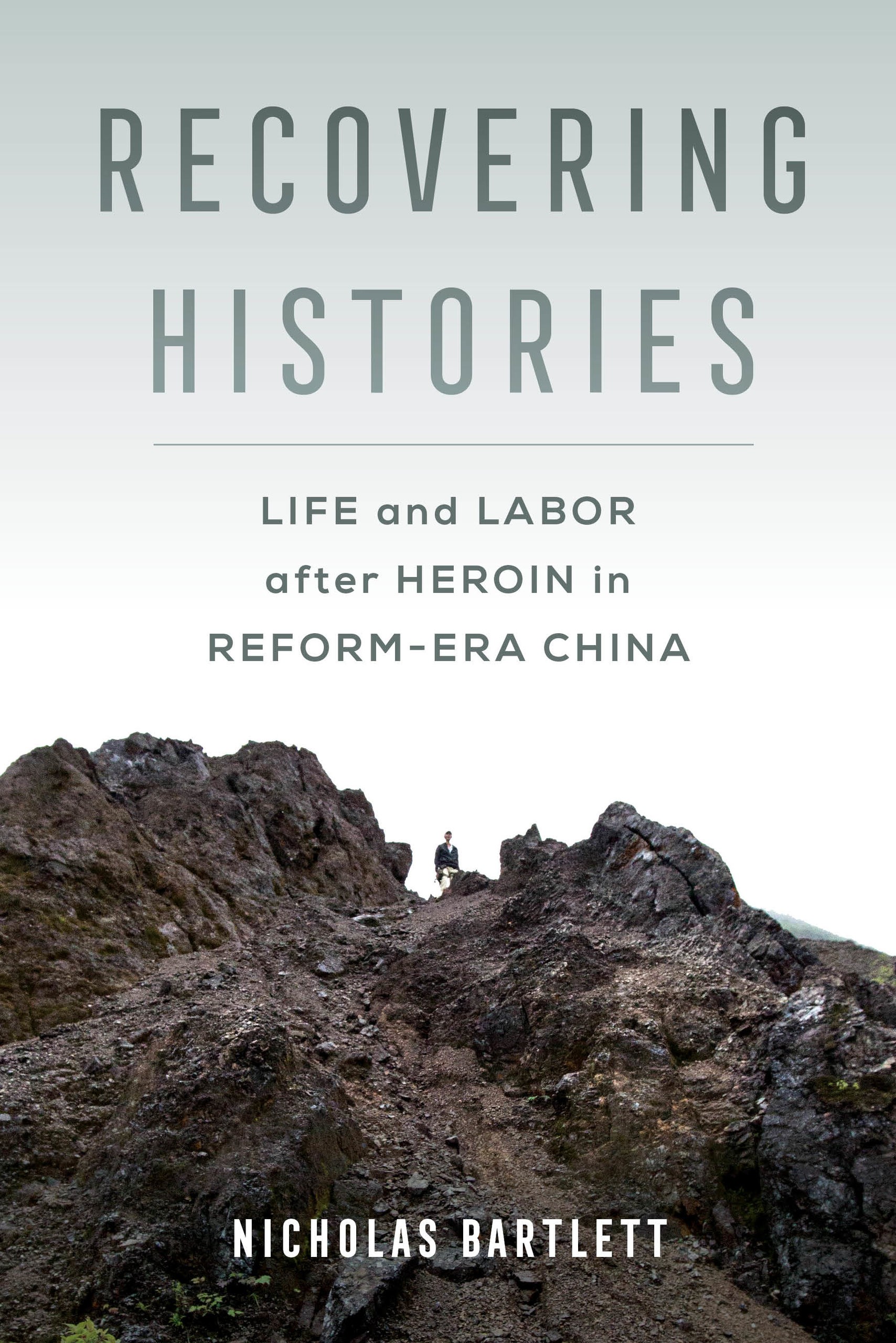
"Recovering Histories displays Bartlett’s great talent for weaving together theoretical analysis of temporality and ethnographic evidence to unpack individual and collective experiences of time. The empathy for the major figures aroused by the small gestures and actions elegantly described in the book—fishing for keys left behind in a locked office, reactivating the long-dormant bodily skills of playing table tennis, and having a little chat in a hot spring—lingers for days after putting the book back on the shelf. . . . A theoretically engaged, sophisticated yet accessible work."
"Even though its analysis is focused on a particular group of the workforce in one city, Bartlett’s attentive narration makes the reforms’ sweeping and profound impact on labor palpable."
"Recovering Histories transcends the usual theoretical and disciplinary categorization. . .[the book] provides an excellent window for students of history and ethnography on how to do research and write about the contemporary PRC."
“This is a beautifully written book. Bartlett skillfully brings readers into the multifaceted world of drug recovery and offers a sophisticated perspective on the suffering, struggle, and resilience of a generation of heroin users in the midst of China's rapid and profound economic transformations. This book is a welcome contribution to cultural and medical anthropology and to the field of China studies.”—Li Zhang, author of Anxious China: Inner Revolution and Politics of Psychotherapy
"In this intimate account of those whose addictions have left them stuck in history’s wake, Nicholas Bartlett’s portrayal of China’s Heroin Generation offers a rare treat: an account of addiction and recovery that takes history seriously. For these men and women, addiction, recovery, and political history are sutured into one’s bounds. The result is something quite unique, a vision of China—its past, its present, and its future—through the eye of a needle."—Joshua Burraway, Research Fellow at the Institute for Advanced Studies in Culture, University of Virginia
"An important intervention in the field of addiction studies. With eloquence and rigor, Bartlett reveals the ways drug recovery is at the very center of making sense of a changing world."—Angela Garcia, author of The Pastoral Clinic: Addiction and Dispossession along the Rio Grande
"Nicholas Bartlett is a gifted ethnographer who is observant, sympathetic, and distant at the same time. By narrating the experiences of the Heroin Generation, he has written the best book I have read about the internal contradictions and disorientations attendant in the early years of the market reforms instituted by Deng Xiaoping, whereby a socialist political economy of centralized control gave way to teachings of Adam Smith in barely twenty years."—Dorothy Ko, author of Cinderella Sisters: A Revisionist History of Footbinding