University of California Press

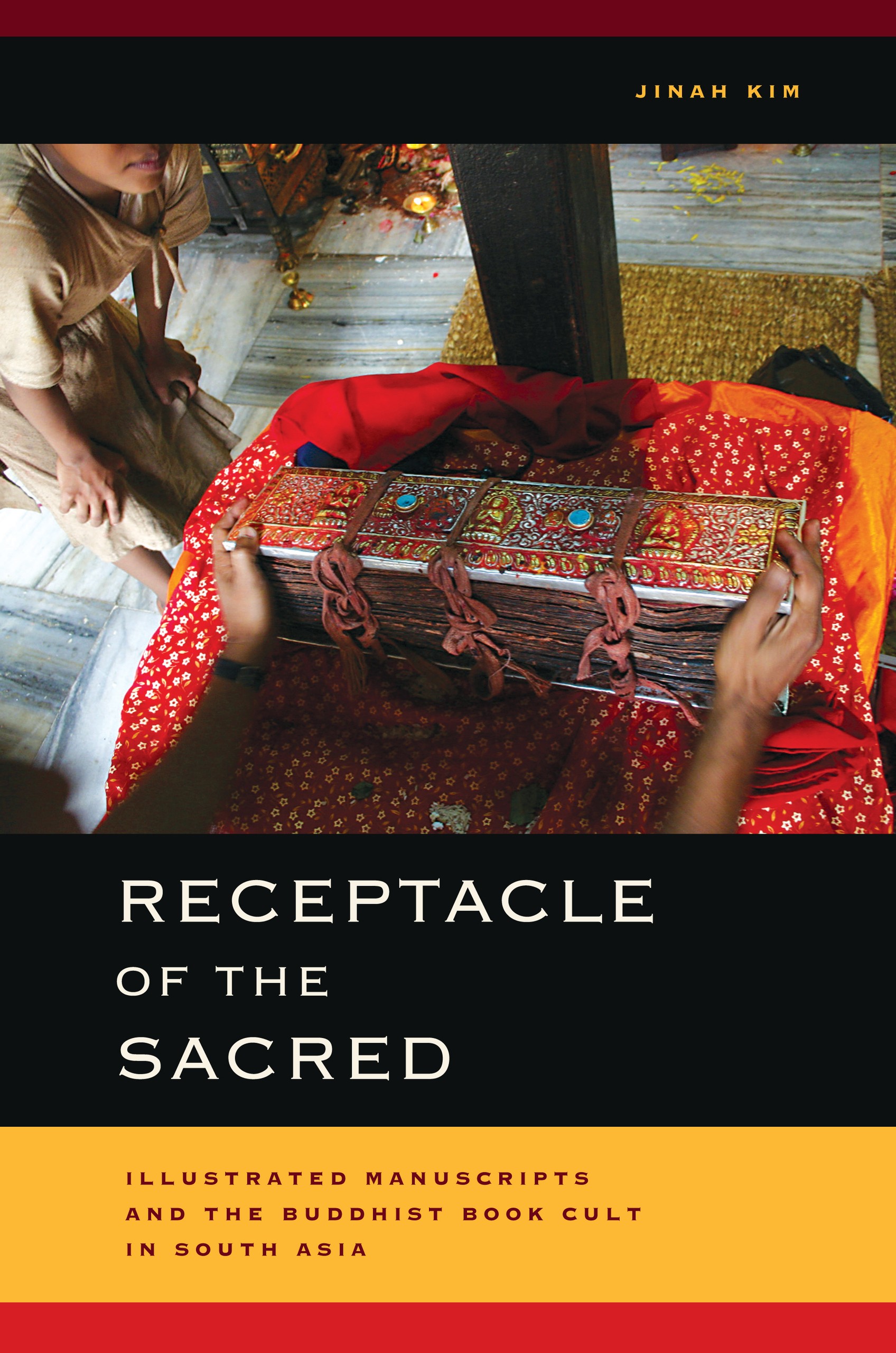
Receptacle of the Sacred

Illustrated Manuscripts and the Buddhist Book Cult in South Asia

by Jinah Kim (Author)
Price: $85.00 / £71.00
Publication Date: Apr 2013
Edition: 1st Edition
Title Details:
Rights: World
Pages: 432
ISBN: 9780520424425
Trim Size: 6 x 9
Illustrations: 50 b/w photographs, 12 line illustrations, 2 tables
Series:

About the Book

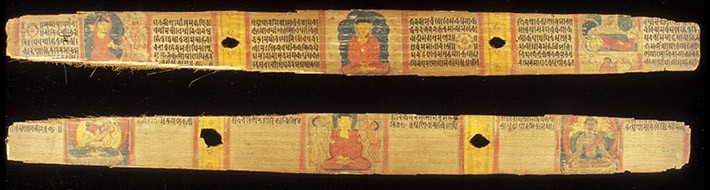
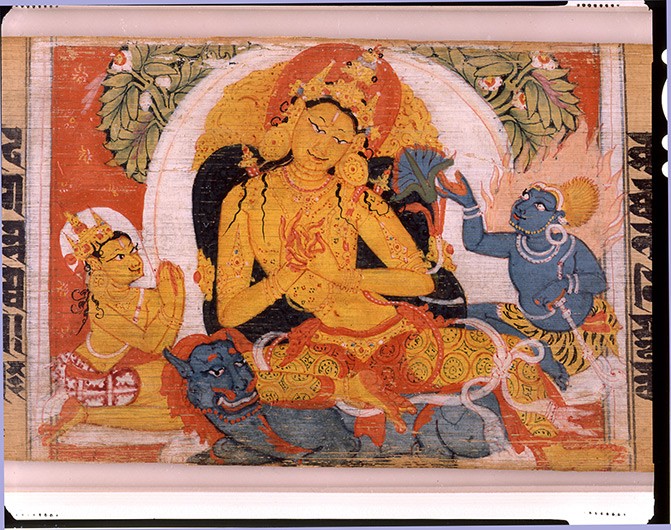
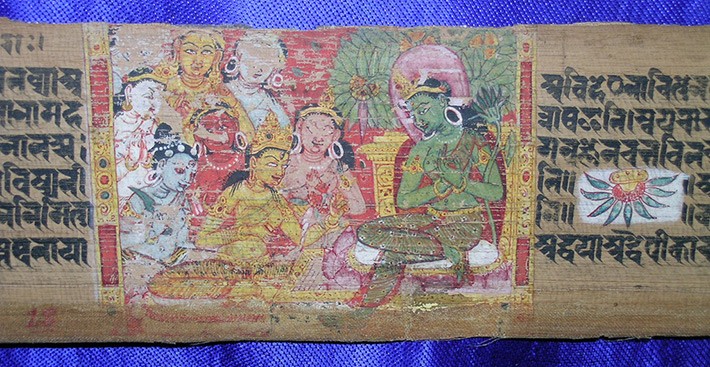
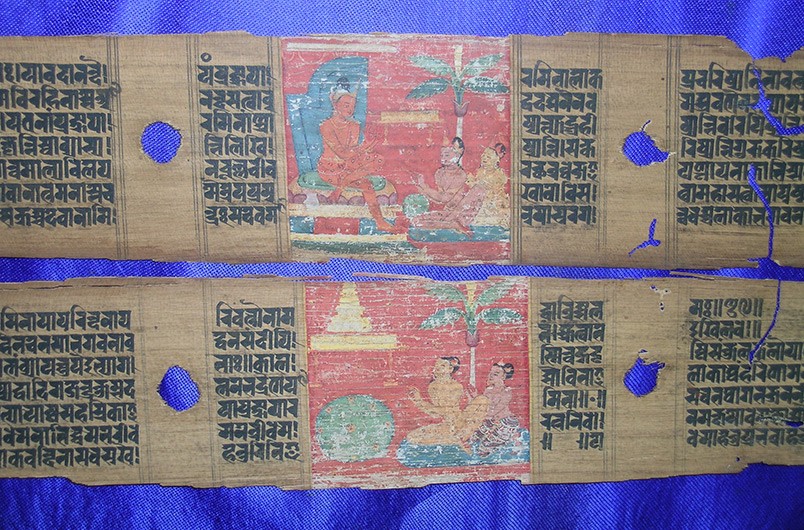
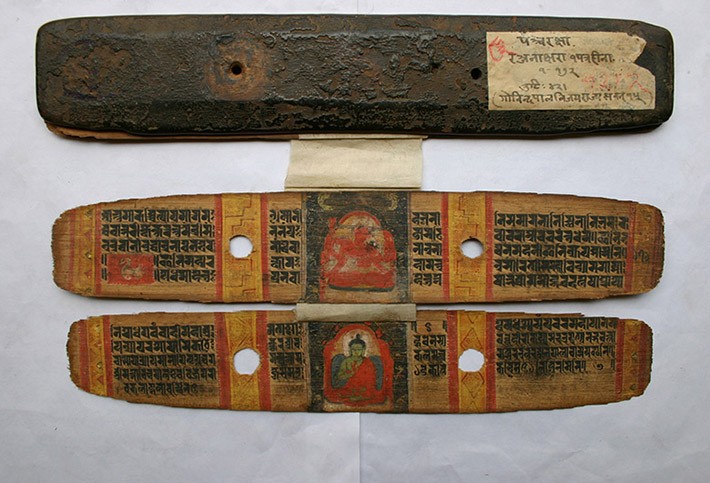
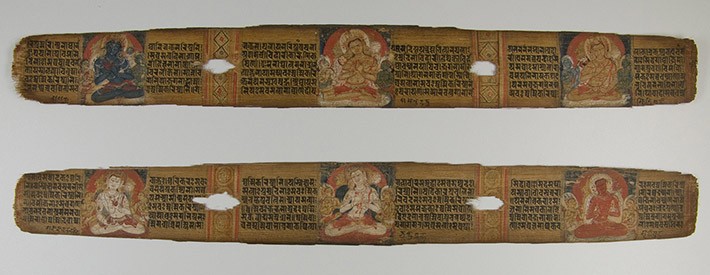
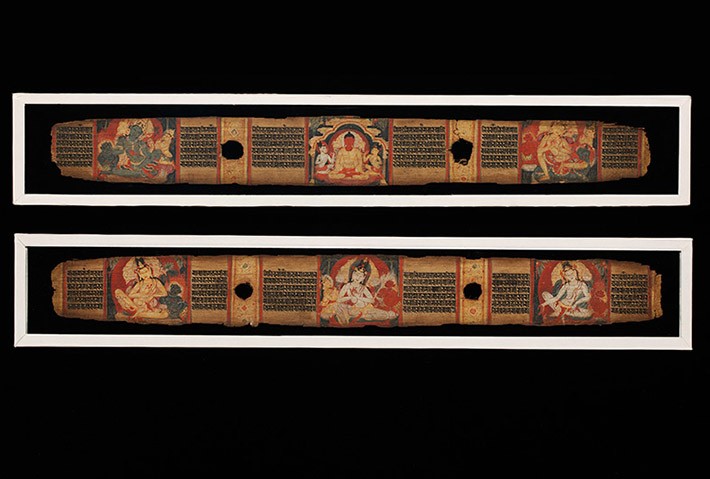
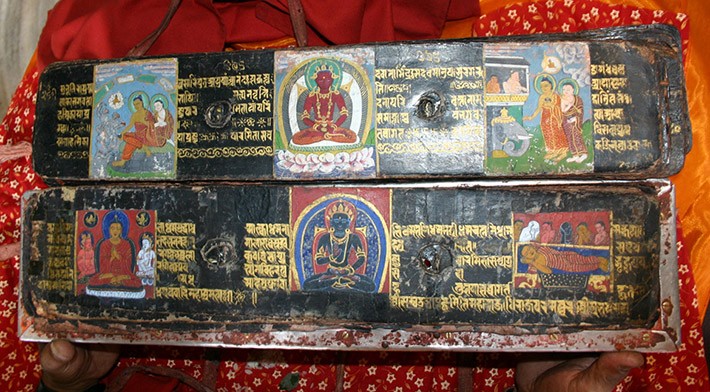
In considering medieval illustrated Buddhist manuscripts as sacred objects of cultic innovation, Receptacle of the Sacred explores how and why the South Asian Buddhist book-cult has survived for almost two millennia to the present. A book “manuscript” should be understood as a form of sacred space: a temple in microcosm, not only imbued with divine presence but also layered with the memories of many generations of users. Jinah Kim argues that illustrating a manuscript with Buddhist imagery not only empowered it as a three-dimensional sacred object, but also made it a suitable tool for the spiritual transformation of medieval Indian practitioners. Through a detailed historical analysis of Sanskrit colophons on patronage, production, and use of illustrated manuscripts, she suggests that while Buddhism’s disappearance in eastern India was a slow and gradual process, the Buddhist book-cult played an important role in sustaining its identity. In addition, by examining the physical traces left by later Nepalese users and the contemporary ritual use of the book in Nepal, Kim shows how human agency was critical in perpetuating and intensifying the potency of a manuscript as a sacred object throughout time.
About the Author

Jinah Kim is Assistant Professor of History of Art & Architecture at Harvard University.

Table of Contents

Acknowledgement
List of Figures
List of Diagrams
Introduction. Text, Image and the book
Chapter 1. Buddhist books and their cultic use
Chapter 2. Innovations of the Medieval Buddhist Book-cult
Chapter 3. Representing the Perfect Wisdom, Embodying the Holy Sties
Chapter 4. The Visual World of Buddhist Book Illustrations
Chapter 5. Esoteric Buddhism and the Illustrated Manuscripts
Chapter 6. Social History of the Buddhist book-cult
Chapter 7. Epilogue: Invoking a goddess in a book
Bibliography
Index

Reviews

"This book is of great value for graduate courses on Buddhist material culture, art historical methodology, or esoteric Buddhism."
Religious Studies Review
"This is an important work on the well known but little-studied Buddhist manuscripts created in eastern India during the last centuries of major Buddhist activity there. Her use of contemporary evidence in Nepal wonderfully grounds historical imagining of the cultic practices associated with books. Simply put, Jinah Kim has produced a scholarly jewel." —Dr. Janice Leoshko, Professor at the University of Texas at Austin
"A dazzling demonstration of the centrality of the Buddhist book cult in medieval India and Nepal. Illuminated books come alive in the hands of their scribes, painters, and donors, and for the reader as well. The most important work on late Esoteric Buddhism and its relationship to Mahayana and society at large since Ronald M. Davidson’s 2002 Indian Esoteric Buddhism." —Rob Linrothe, Associate Professor at Northwestern University

Awards

  • Honorable Mention - 2015 Bernard S. Cohn Book Prize, Association of Asian Studies

Media

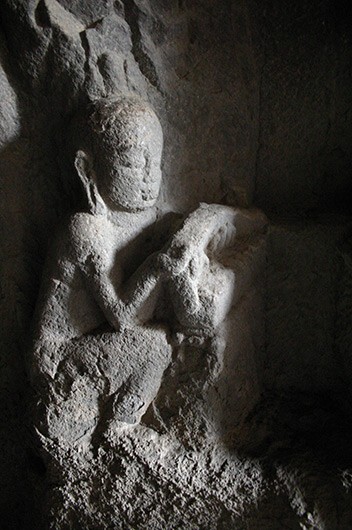
Monk holding a book, detail of the Mahmyr panel, Cave 10, Ellora.
All photos by author unless otherwise specified.   Web 1-1 Monk holding a book, detail of the Mahāmāyūrī panel, Cave 10, Ellora, ca. 7th century.
Slide1 / 38
Scene depicting a pustaka pj (worship of a book), detail of the Prajpramit stele, Mangalpur, Orissa.
Web 1-2 Scene depicting a pustaka pūjā (worship of a book), detail of the Prajñāpāramitā stele, Mangalpur, Orissa, ca. 11th century. Orissa State Museum.
Slide2 / 38
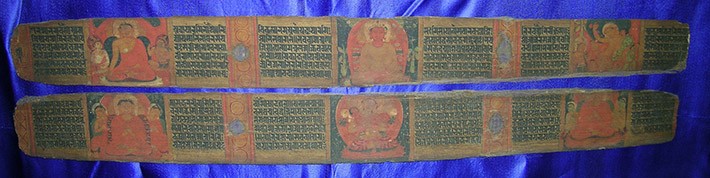
Folio 1v-folio 2r.
Web 2-1 Folio 1v–folio 2r, AsP Ms (Ms A1), Mahīpāla’s 6th year (ca. 983 CE), Nālandā monastery, Asiatic Society, Kolkata, G.4713.
Slide3 / 38
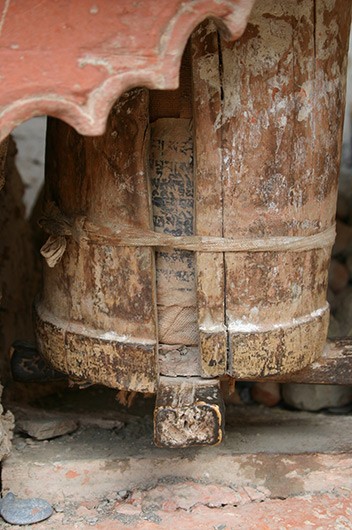
Prayer wheel outside the entrance to the main temple, Wanla monastery, Ladakh.
Web 2-2 “Prayer wheel” outside the entrance to the main temple, Wanla monastery, Ladakh, ca. 19th–20th century(?).
Slide4 / 38
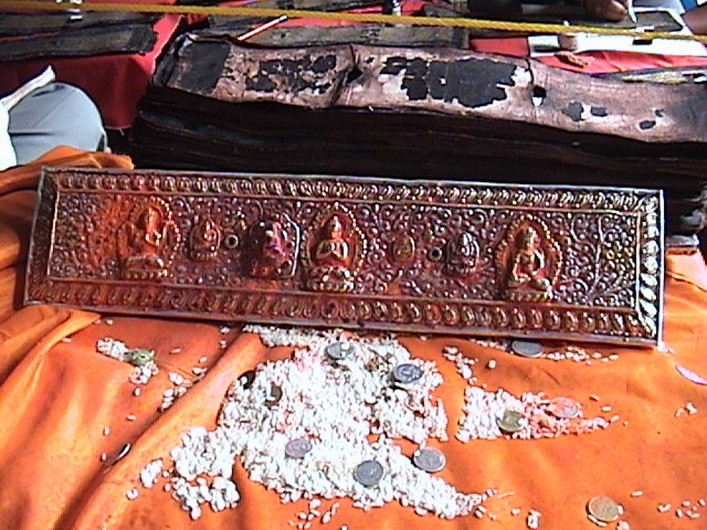
Sculpted cover of an AsP Ms in worship during restoration of the manuscript, Patan, Nepal.
Web 2-3 Sculpted cover of an AsP Ms in worship during restoration of the manuscript, Patan, Nepal. July 19, 2004.
Slide5 / 38
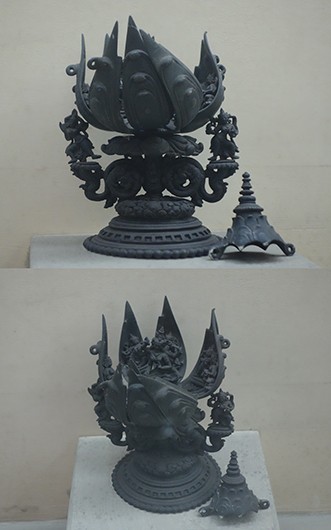
Vajra Tr lotus maala, Chandipur near Ptharghta in Bhagalpur district, Bihar.
Web 2-4 Vajra Tārā lotus maṇḍala, Chandipur near Pātharghāta in Bhagalpur district, Bihar, ca. 12th century. Bronze. Indian Museum, Kolkata.
Slide6 / 38
Buddhas life scenes, Tr and Avalokitevara, folios 187v-188r.
Web 3-1 Buddha’s life scenes, Tārā and Avalokiteśvara, folios 187v–188r, AsP Ms (Ms A6), ca. mid-11th century. © Wellcome Library (Sansk ε 1).
Slide7 / 38
Majur, folio 2r.
Web 3-2 Mañjuśrī, folio 2r, AsP Ms (Ms A4), ca. 1140 CE, Nālandā. Asia Society, New York: Mr. and Mrs. John D. Rockefeller 3rd Acquisitions Fund, 1987.1. Image courtesy of Asia Society Museum.
Slide8 / 38
Avalokitevara on Mt. Kua in Gandhara and Vajrapi of Magakoa in Oiyana, Swat valley, folio 89r.
Web 3-3 Avalokiteśvara on Mt. Kuṭa in Gandhara (left) and Vajrapāṇi of Maṅgakoṣṭa in Oḍḍiyana, Swat valley (right), folio 89r, AsP Ms (Ms B1), 1015 CE. Cambridge University Library, Add. 1643. Image reproduced by kind permission of the Syndics of Cambridge University Library.
Slide9 / 38
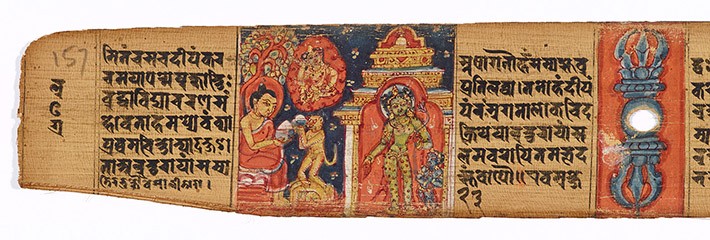
Tr of Vail in Trabhukti, left panel, folio 157v.
Web 3-4 Tārā of Vaiśālī in Tīrabhukti, left panel, folio 157v, AsP Ms (Ms B1), 1015 CE, Cambridge University Library, Add. 1643. Image reproduced by kind permission of the Syndics of Cambridge University Library.
Slide10 / 38
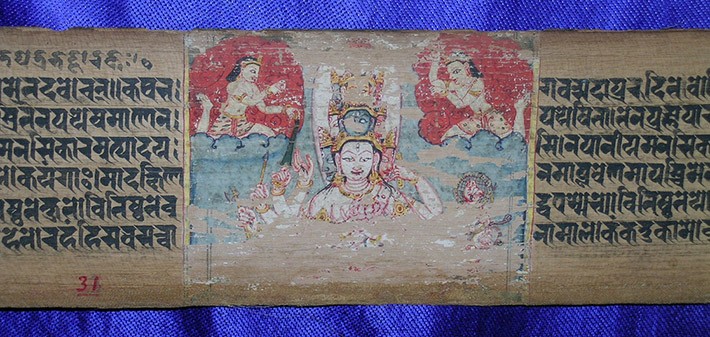
Tr in Potalaka (caption: potalake-bhagavattr), folio 113r.
Web 3-5 Tārā in Potalaka (caption: potalake-bhagavatītārā), folio 113r, AsP Ms (Ms B2), ca. 1071 CE (NS 191), Asiatic Society, Kolkata, A.15.
Slide11 / 38
Sittapatra (caption: sittapatrabharaka), folio 168r.
Web 3-6 Sitātapatra (caption: sitātapatrabhaṭṭārakaḥ), folio 168r, AsP Ms (Ms B2), ca. 1071 CE (NS 191), Asiatic Society, Kolkata, A.15.
Slide12 / 38
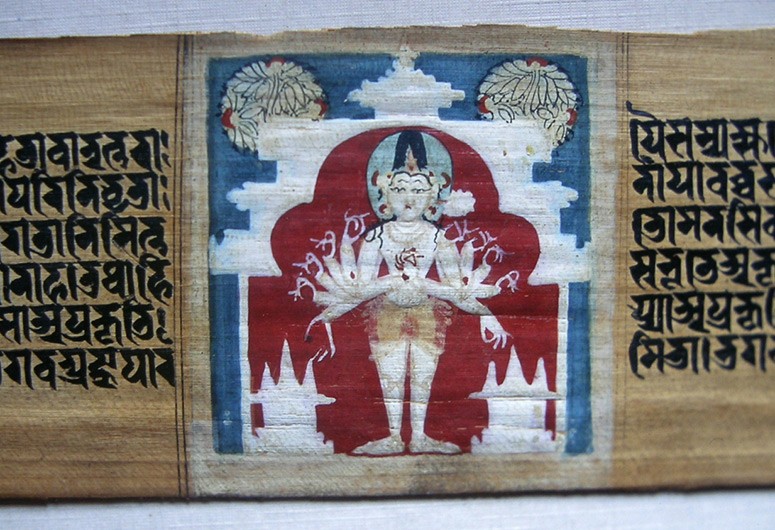
Twelve-armed Avalokitevara, folio 267v.
Web 3-7 Twelve-armed Avalokiteśvara (Lokanātha of Tulakṣetra in Varendra?), folio 267v, Pañcaviṃśatī Prajñāpāramitā (PvP) sūtra Ms (Ms B3), ca. 1100 CE (Harivarman’s 8th year). Baroda Picture Gallery and Museum.
Slide13 / 38
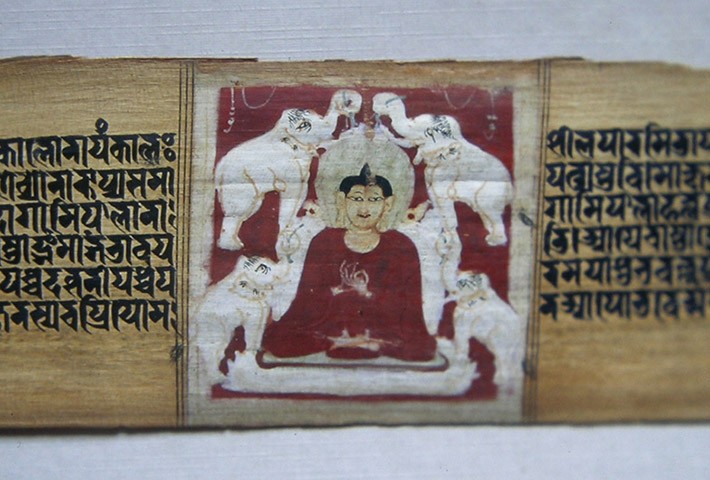
Buddha worshipped by four elephants, folio 368r.
Web 3-8 Buddha worshipped by four elephants (Gandhavatī Kalasavarapura?), folio 368r, PvP Ms (Ms B3), ca. 1100 CE. Baroda Picture Gallery and Museum.
Slide14 / 38
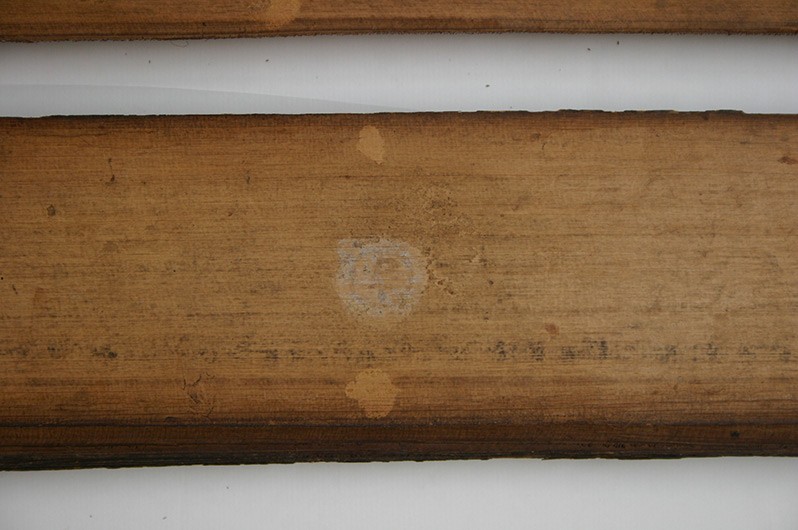
White dot with a vague sign of a letter on the reverse side of Mahmyr panel, folio 88r.
Web 4-1 White dot with a vague sign of a letter on the reverse side of Mahāmāyūrī panel, folio 88r, Pañcarakṣā Ms (Ms C2), dated 1135 CE. Edwin Binney 3rd Collection. The San Diego Museum of Art, 1990.156 (http://www.SDMArt.org).
Slide15 / 38
Bodhisattva Dharmodgata preaching the Prajpramit (top, folio 295v), Sadprarudita and merchants daughter paying homage to the Prajpramit (bottom, folio 296r).
Web 4-2 Bodhisattva Dharmodgata preaching the Prajñāpāramitā (top, folio 295v), Sadāprarudita and merchant’s daughter paying homage to the Prajñāpāramitā (bottom, folio 296r), AsP Ms (Ms C3), ca. 1148 CE. Asiatic Society, Kolkata, G.4203.
Slide16 / 38
Mahtavat and Amoghasiddhi, folios 70v-71r.
Web 4-3 Mahāśītavatī and Amoghasiddhi, folios 70v–71r, Pañcarakṣā Ms (Ms C6), Govindapāla’s 16th year (ca. 1191 CE). National Archive, Kathmandu Acc. No. 5.83.
Slide17 / 38
Six bodhisattvas, folios 63v-64r.
Web 4-4 Six bodhisattvas, folios 63v–64r, Pañcarakṣā Ms (Ms C5), Madanapāla’s 13th year (ca. 1156 CE). Museum Rietberg, Zurich, Gift of Fritz and Monika von Schulthess.
Slide18 / 38
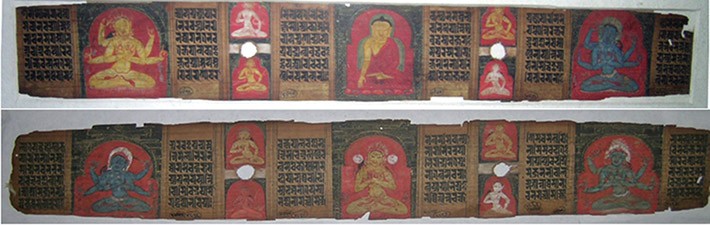
Folios 1v-2r.
Web 5-1 Folios 1v–2r, AsP Ms (Ms D3), Rāmapāla’s 36th year (ca. 1113 CE), Victoria and Albert Museum IS4.1958-IS5.1958. © Victoria and Albert Museum, London.
Slide19 / 38
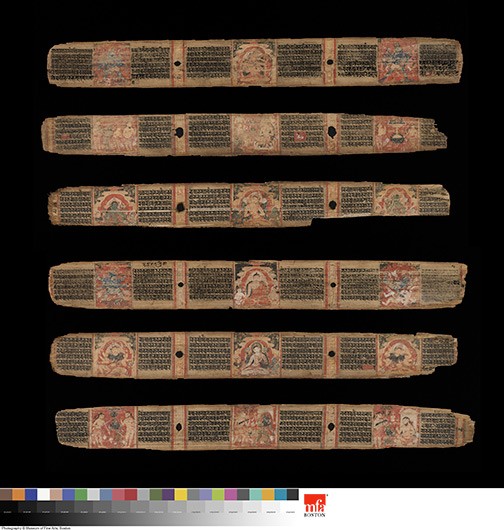
Illustrated folios (95r, 206r, 1v, 94v, 2r, 205v).
Web 5-2 Illustrated folios (from top to bottom: 95r, 206r, 1v, 94v, 2r, 205v), AsP Ms (Ms D4), ca. 1136 CE, Museum of Fine Arts, Boston, Acc. 20.589. Photograph © 2013 Museum of Fine Arts, Boston.
Slide20 / 38
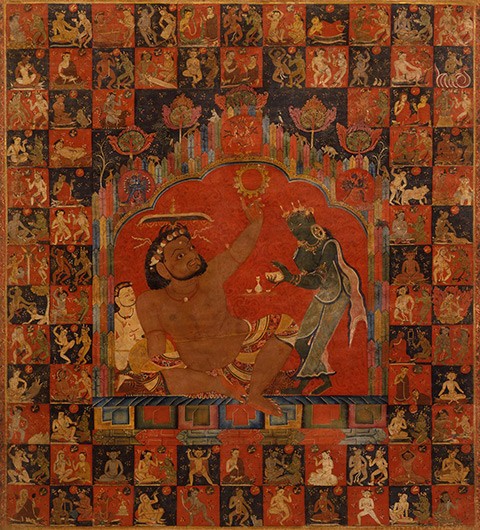
Virupa, central Tibet (Sakya monastery).
Web 5-3 Virupa, central Tibet (Sakya monastery), consecrated by Sakya Paṇḍita (ca. 1182–1251 CE), the Kronos Collection. Image Courtesy of Steven Kossak.
Slide21 / 38
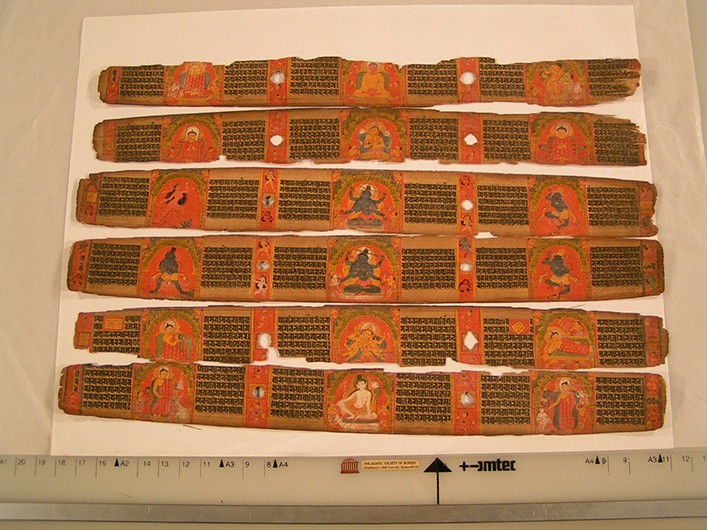
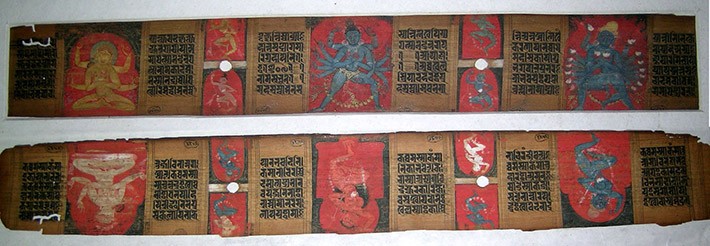
Illustrated folios (1v2r, 107r-106v, 222r-221v.
Web 5-4 Illustrated folios (1v–2r, 107r–106v, 222r–221v; note that 107r–106v and 222r–221v are switched in their order.), AsP Ms (Ms D9), Govindapāla’s 32nd year (ca. 1207 CE), Asiatic Society, Mumbai, Acc. No. I-210.
Slide22 / 38
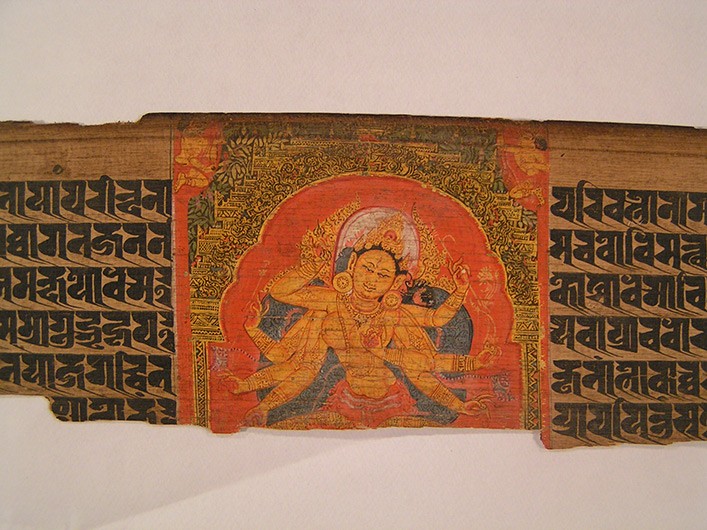
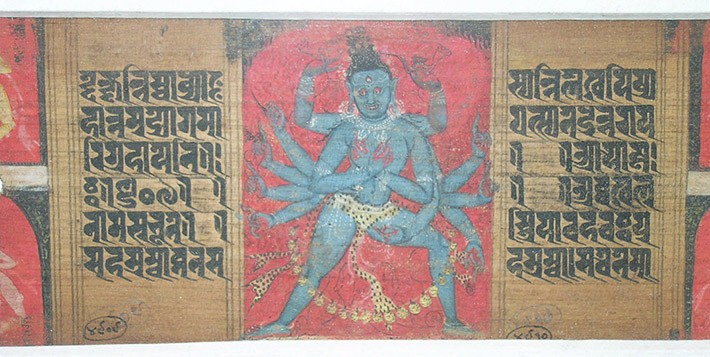
Vajra-Tr, folio 222r, center panel.
Web 5-5 Vajra-Tārā, folio 222r, center panel, AsP Ms (Ms D9), Govindapāla’s 32nd year (ca. 1207 CE), Asiatic Society, Mumbai, Acc. No. I-210.
Slide23 / 38
Folios 1v-2r.
Web 5-6 Folios 1v–2r, AsP Ms (Ms D10), Lakṣmaṇasena’s 47th year (ca. 1226 CE), Bharat Kala Bhavan, Banaras Hindu University (BHU), Varanasi.
Slide24 / 38
Folios 141v-142r.
Web 5-7 Folios 141v–142r, AsP Ms (Ms D10), Lakṣmaṇasena’s 47th year (ca. 1226 CE), Bharat Kala Bhavan, BHU, Varanasi
Slide25 / 38
Sambara, folio 141v, center panel.
Web 5-8 Sambara, folio 141v, center panel, AsP Ms (Ms D10), Lakṣmaṇasena’s 47th year (ca. 1226 CE), Bharat Kala Bhavan, BHU, Varanasi. Web 5-9 Last two folios, AsP Ms (Ms D10), Lakṣmaṇasena’s 47th year (ca. 1226 CE), Bharat Kala Bhavan, BHU, Varanasi.
Slide26 / 38
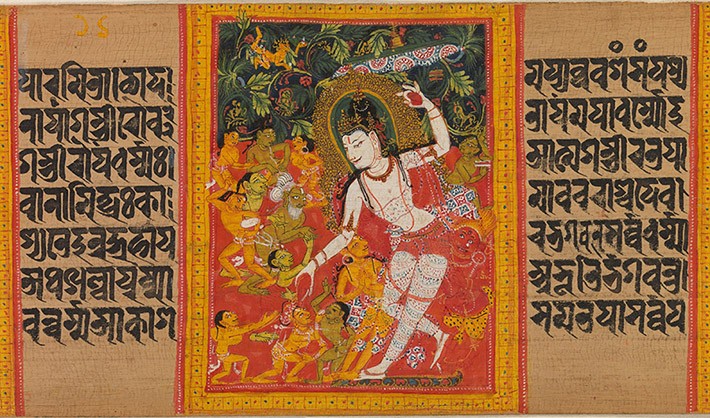
Jewel-giving (Cintmai) Avalokitevara with devotees.
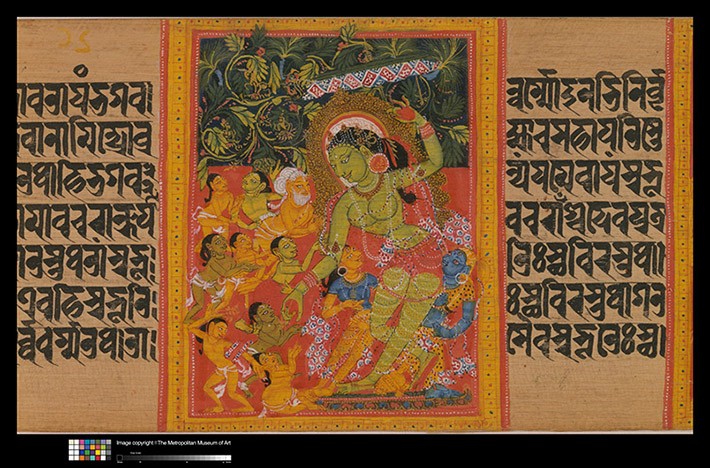
Web 6-1 Jewel-giving (Cintāmaṇi) Avalokiteśvara with devotees, folio 139v, AsP Ms, late 12th century. The Metropolitan Museum of Art, 2001.445l. Image © The Metropolitan Museum of Art.
Slide27 / 38
Jewel-giving (Cintmai) Tr with devotees.
Web 6-2 Jewel-giving (Cintāmaṇi) Tārā with devotees, folio 140r, AsP Ms, late 12th century. The Metropolitan Museum of Art, 2001.445i. Image © The Metropolitan Museum of Art.
Slide28 / 38
Unfinished panels depicting Buddha (top) and Prajpramit (bottom).
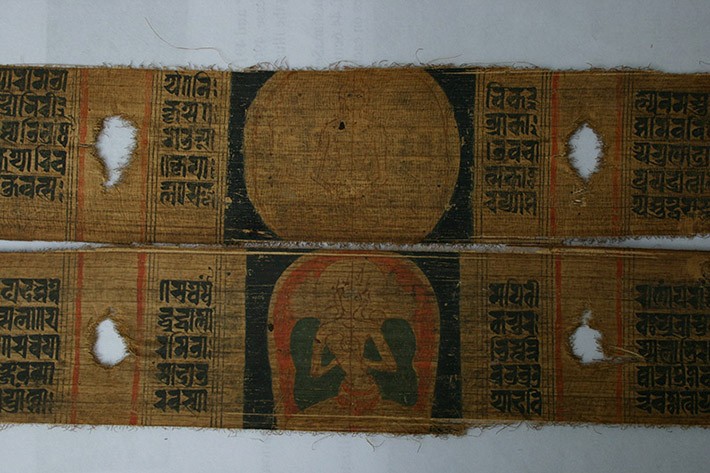
Web 6-3 Unfinished panels depicting Buddha (top) and Prajñāpāramitā (bottom), folios 1v–2r, AsP Ms, ca. late 12th century, Kaiser Library, Kathmandu, Acc. No. 9.102.
Slide29 / 38
Unfinished panels depicting bodhisattvas.
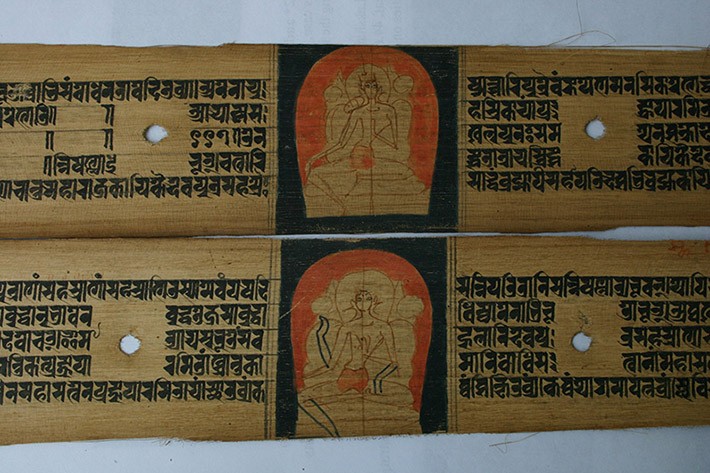
Web 6-4 Unfinished panels depicting bodhisattvas, folios 29v–30r, AsP Ms, ca. late 12th century, Kaiser Library, Kathmandu, Acc. No. 9.102.
Slide30 / 38
Sambara panel, last folio of an AsP Ms, prepared by crya Prajbala, Govindaplas 18th year.
Web 6-5 Sambara panel, last folio of an AsP Ms, prepared by ācārya Prajñābala, Govindapāla’s 18th year (ca. 1193 CE), Asiatic Society, Kolkata, G.9989A.
Slide31 / 38
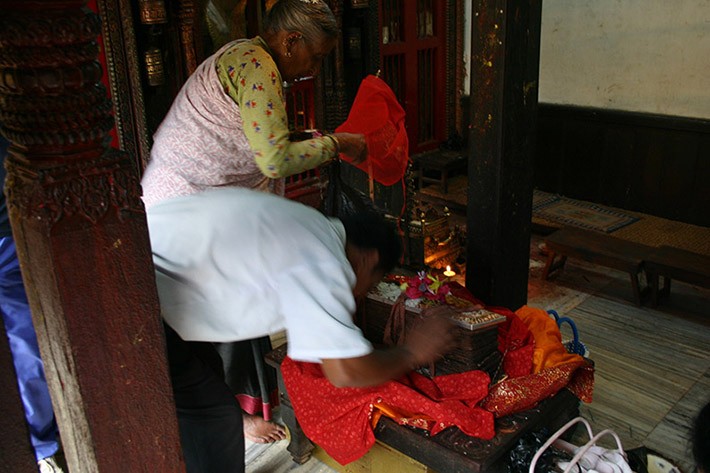
Paying homage to the book prior to the beginning of the ritual.
Web 7-1 Paying homage to the book prior to the beginning of the ritual, Kwā Bāhā, Patan, Nepal, June 30, 2004.
Slide32 / 38
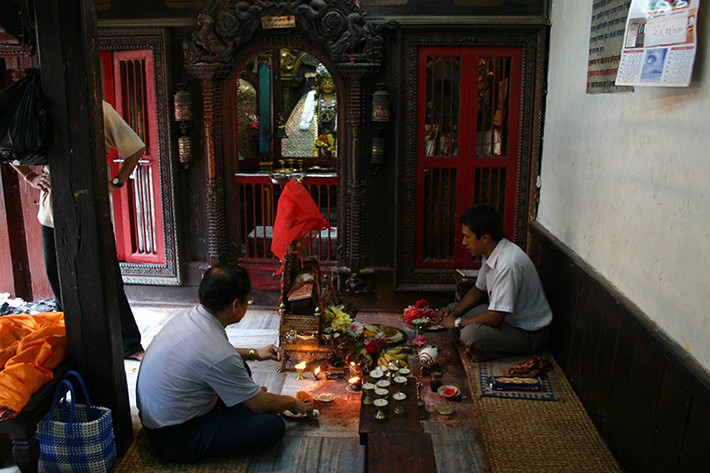
Prajpramit pustaka pj: Main priest, Cakra Raj Bajracharya (Vajrcrya), Min Bahadur Shakya (patron, jajmn), and the book on its throne-like seat.
Web 7-2 Prajñāpāramitā pustaka pūjā: Main priest, Cakra Raj Bajracharya (Vajrācārya), Min Bahadur Shakya (patron, jajmān), and the book on its throne-like seat, Kwā Bāhā, Patan, Nepal, June 30, 2004.
Slide33 / 38
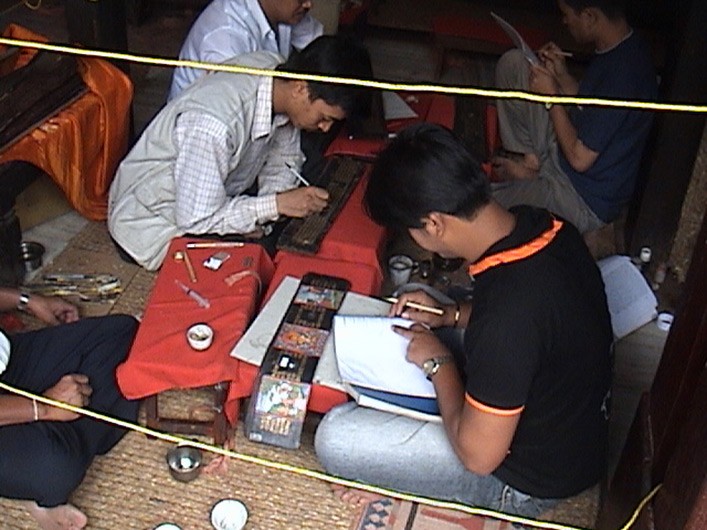
Vajrcryas gathered to restore the Prajpramit manuscript.
Web 7-3 Vajrācāryas gathered to restore the Prajñāpāramitā manuscript, Kwā Bāhā, Patan, Nepal, July 19, 2004.
Slide34 / 38
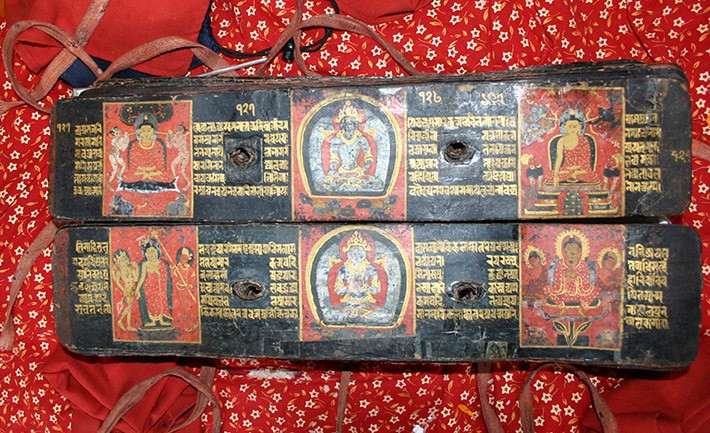
Folios 127v-128r with original 13th-century painted panels.
Web 7-4 Folios 127v–128r with original 13th-century painted panels, AsP Ms, NS 345 (1235 CE), Kwā Bāhā, Patan, Nepal.
Slide35 / 38
Folios 296v-297r with painted panels restored during the 20th century.
Web 7-5 Folios 296v–297r with painted panels restored during the 20th century, AsP Ms, NS 345 (1235 CE), Kwā Bāhā, Patan, Nepal.
Slide36 / 38
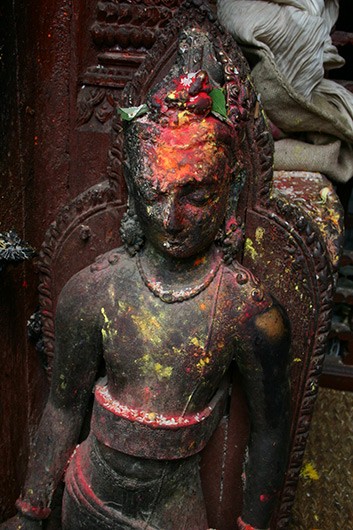
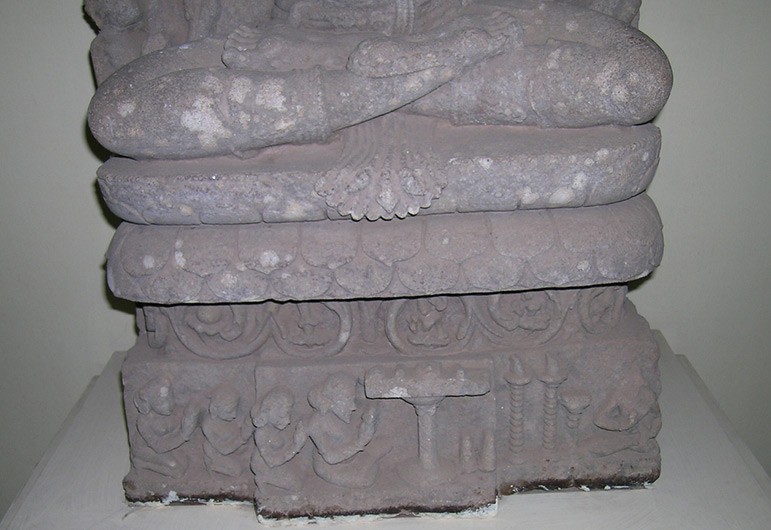
Statue of bodhisattva Avalokitevara (9th or 10th century) with signs of worship.
Web 7-6 Statue of bodhisattva Avalokiteśvara (9th or 10th century) with signs of worship, Kwā Bāhā, Patan, Nepal.
Slide37 / 38
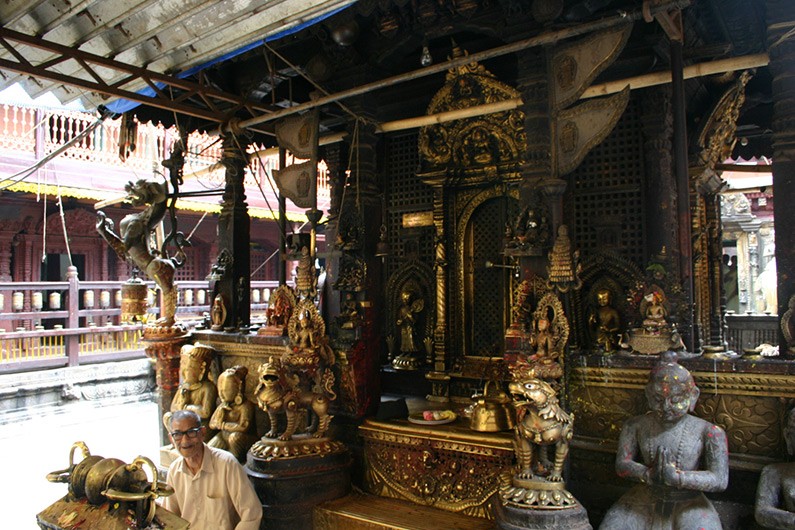
Front part of the lineage deity shrine in the center of the courtyard with sculptural and decorative additions from different times.
Web 7-7 Front part of the lineage deity shrine in the center of the courtyard with sculptural and decorative additions from different times, Kwā Bāhā, Patan, Nepal.
Slide38 / 38