
About the Book
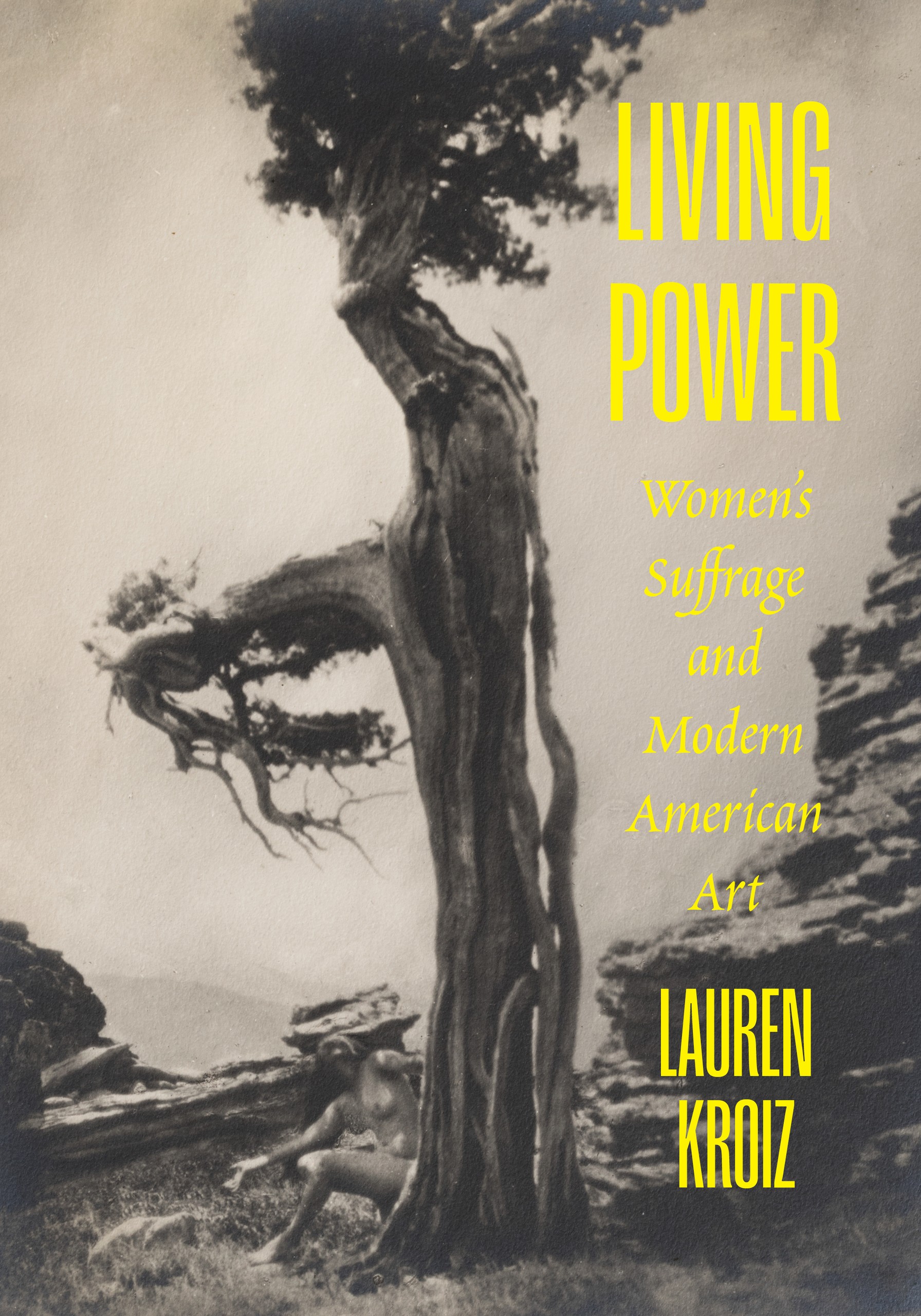
Living Power explores the modernist aesthetics of the women's suffrage movement in the United States in the decades leading to the Nineteenth Amendment's passage in 1920. Artists and activists in this period envisioned, and even materialized, new forms of inclusive, modern political citizenship. But at the same time, many progressive advocates premised the right to vote on whiteness, splitting suffragists along racial lines. Lauren Kroiz analyzes how artworks—including Charlotte Perkins Gilman's design for soap trading cards, Adelaide Johnson's marble portrait busts, Anne Brigman's photographs in the California wilderness, and Meta Warrick Fuller's sculptures of mothers and children—interrogated the unstable divide between subjecthood and objecthood at the heart of demands for political agency. Expanding the scholarship of feminist art, Kroiz traces a history that remains both pivotal and unresolved.