
About the Book
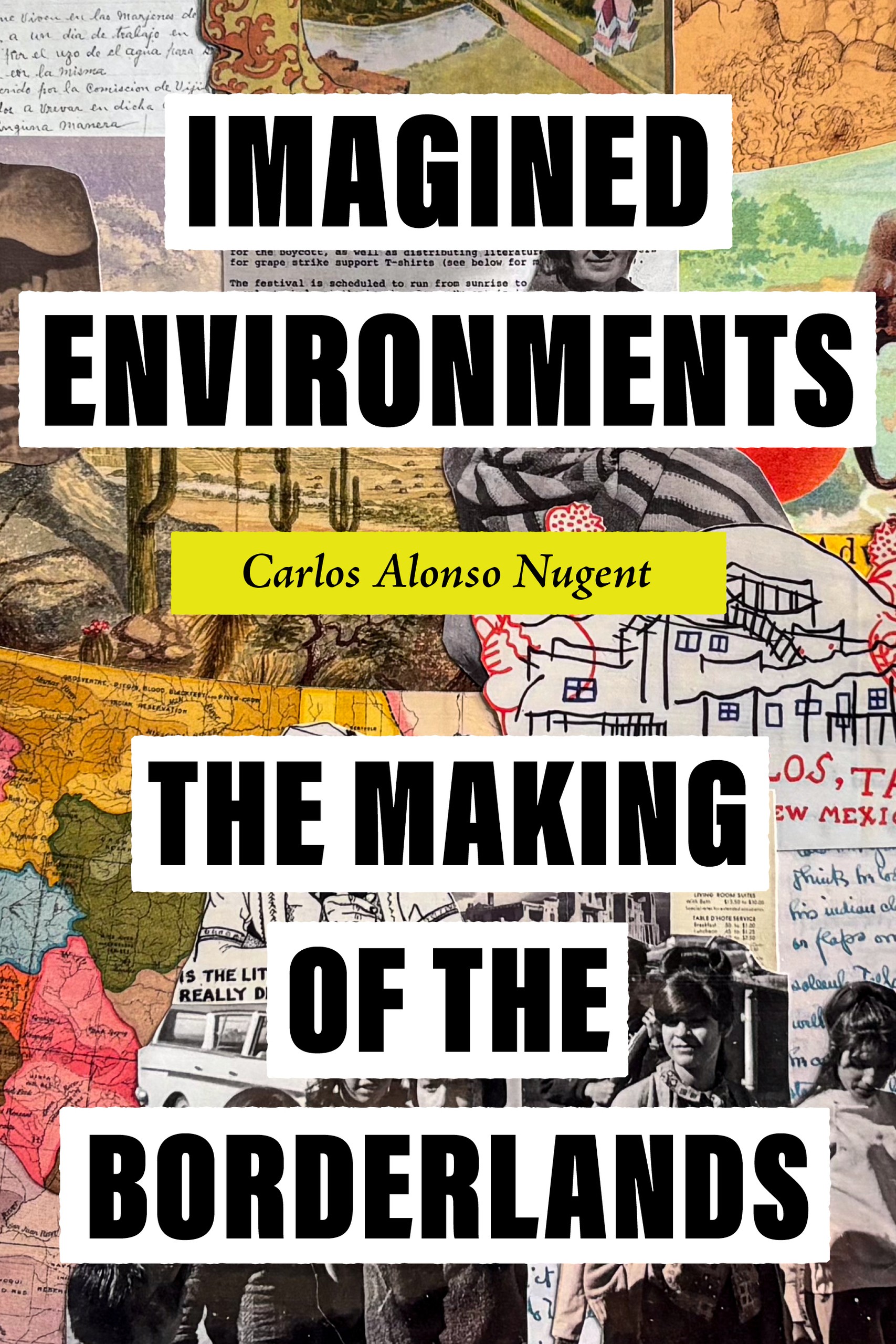
Casting light across the US-Mexico borderlands, Carlos Alonso Nugent reveals the region’s “imagined environments”—the frameworks through which its human groups have represented, related to, and resided in their more-than-human worlds. While these imagined environments can feel immersive and even immutable, Nugent explains how they have in fact emerged in everything from Apache pictographs to US and Mexican laws to novels, poems, paintings, and photographs. By showing how the larger imagined environments have shaped and been shaped by such cultural constituents, he revises accepted accounts of relational racialization. Advancing from 1848 to the present, he demonstrates that whiteness has coevolved with western water infrastructures, that Latinidades have developed through divergent forms of land tenure, and that Native nations have thrived not only by staying in specific places but also by migrating across vast spaces. With such stories, Nugent complicates the environmental humanities; even as he argues that media have naturalized our use and abuse of the planet, he still explores how they have helped us love places we have never been and care for creatures we have never met.