University of California Press

About the Book

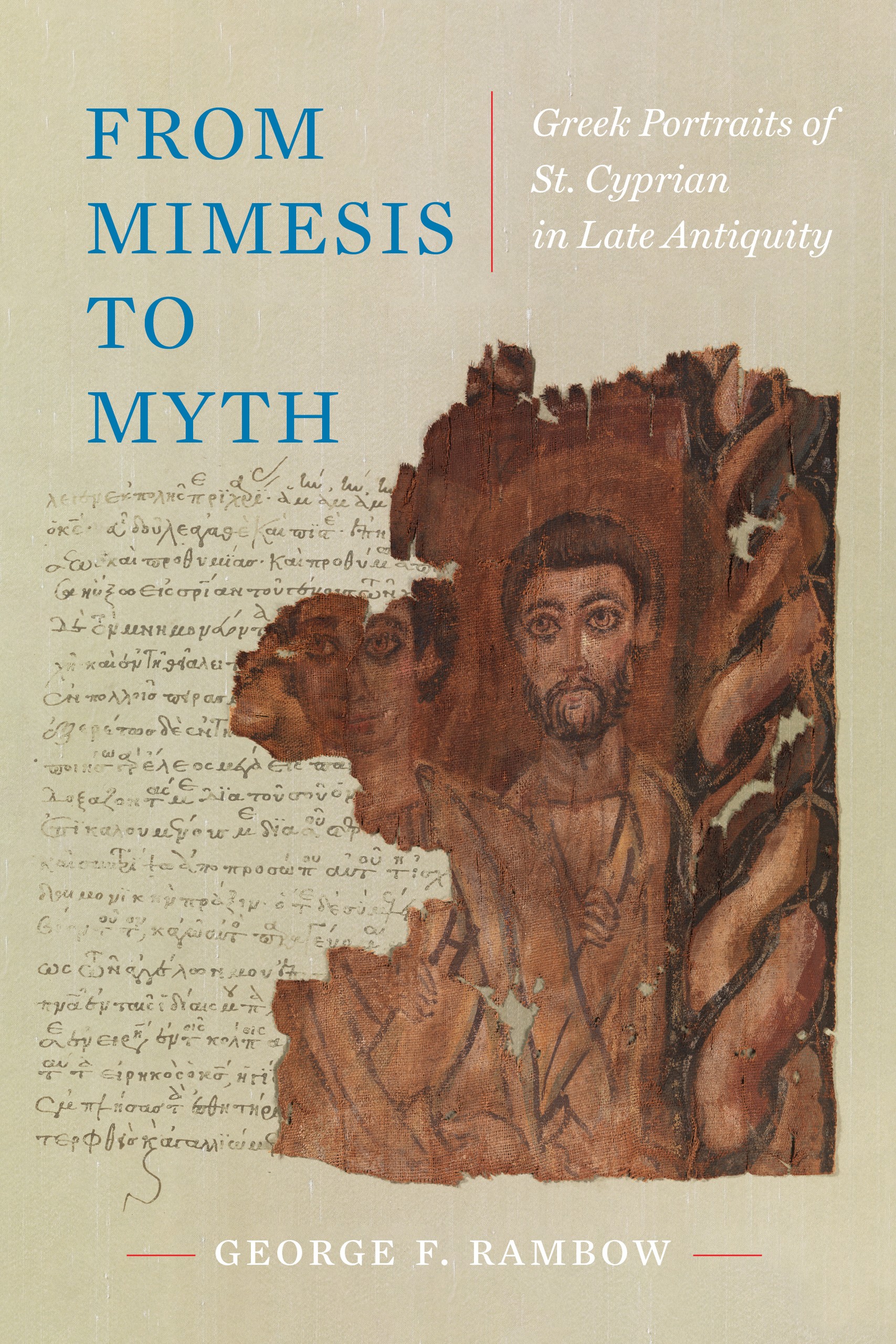
From Mimesis to Myth traces the transformation of a Greek account of the life of Cyprian of Carthage into the legendary tale of Cyprian of Antioch as a means of exploring how late antique Christian authors and audiences interpreted the fictional qualities of hagiographic narratives. Through close readings of texts from the fourth and fifth centuries, including works by Gregory of Nazianzus and the Theodosian empress Aelia Eudocia, the book uncovers how Cyprian's legend evolved and how Christian authors embraced and transformed Greek literary traditions. George F. Rambow suggests that Christian writers consciously engaged in mythmaking and crafted a new heroic universe to rival the mythology of pagan antiquity. The book introduces the concept of "noncontractual, protreptic representation" to describe a uniquely Christian adaptation of Aristotelian mimesis, offering a new framework for interpreting fictional hagiographic narratives. Bridging history, religion, classics, and literary theory, Rambow fundamentally reassesses important assumptions in the ongoing debate on late antique narrative traditions.

About the Author

George F. Rambow has a doctorate from Princeton Theological Seminary and is rector of All Saints' Episcopal Church in Princeton, New Jersey.

Table of Contents

Contents

Acknowledgments

Abbreviations

Introduction

1. Tales of Two Cyprians

2. The Emergence of the Tale of Cyprian of Antioch

3. The Construction of the Gregorian Cyprian

4. Theorizing Gregory’s Portrait of Cyprian

5. The Mythification of the Tale of Cyprian of Antioch

Conclusion

Bibliography

Index

Reviews

"George Rambow fundamentally reassesses important assumptions and theses in the ongoing debate on the late antique narrative traditions about both Cyprian of Carthage and Cyprian of Antioch. A rich and solid book."—Koen De Temmerman, Professor of Classics, Ghent University

"How did Christians in late antiquity understand mythical elements in their ‘lives of saints’—and even in their own scriptures? Rambow opens up fresh ways to approach this question, offering a remarkably sophisticated discussion of ancient literary genres, and demonstrating how Gregory of Nazianzus, among others, revised them to engage political and social issues. And despite the complexity of his discussion, he writes a lively and clear account—a rare achievement for a scholar!"—Elaine Pagels, Harrington Spear Paine Professor, Princeton University