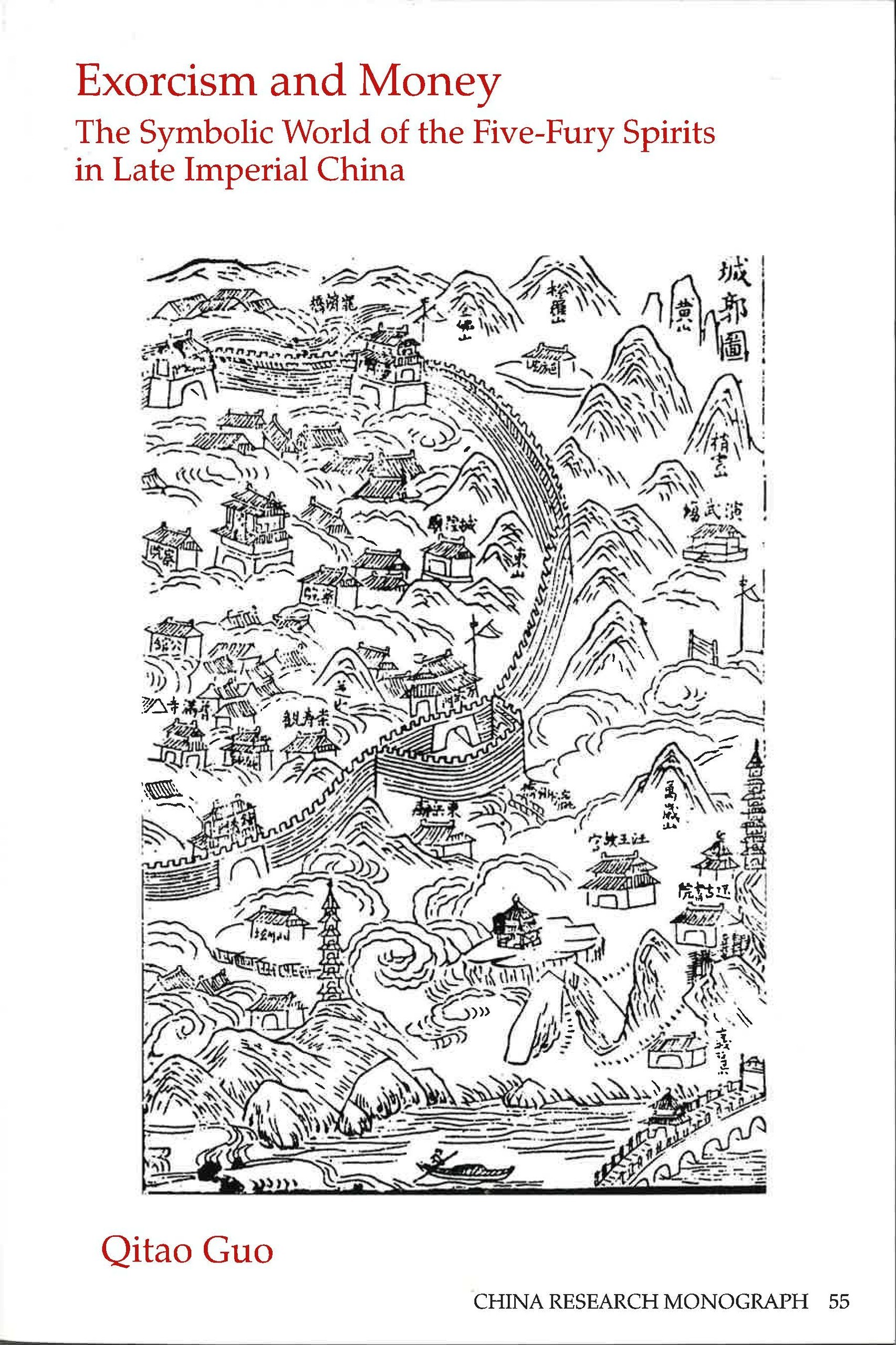

About the Book
This study analyzes the identities of the five-fury spirits in light of the cult's historical linkages with local society in southern Anhui and with other religious traditions in a larger context. These two contexts interacted in complex ways to generate, around the time of the mid-Ming, a localized religious order. Guo explores not only how history transformed the symbolic order, but also how history itself was symbolically ordered and reordered in the process. This monograph is intended to add a symbolic dimension to a classic issue in the study of Ming-Qing social history: the state-society relation on the one hand and the elite-commoner and gentry-merchant relations on the other. By tracing the integration and gentrification of localized gods back to the mid Ming, Guo also demonstrates how popular religion accompanied the socioeconomic changes that swept the entire empire during the sixteenth century.