
About the Book
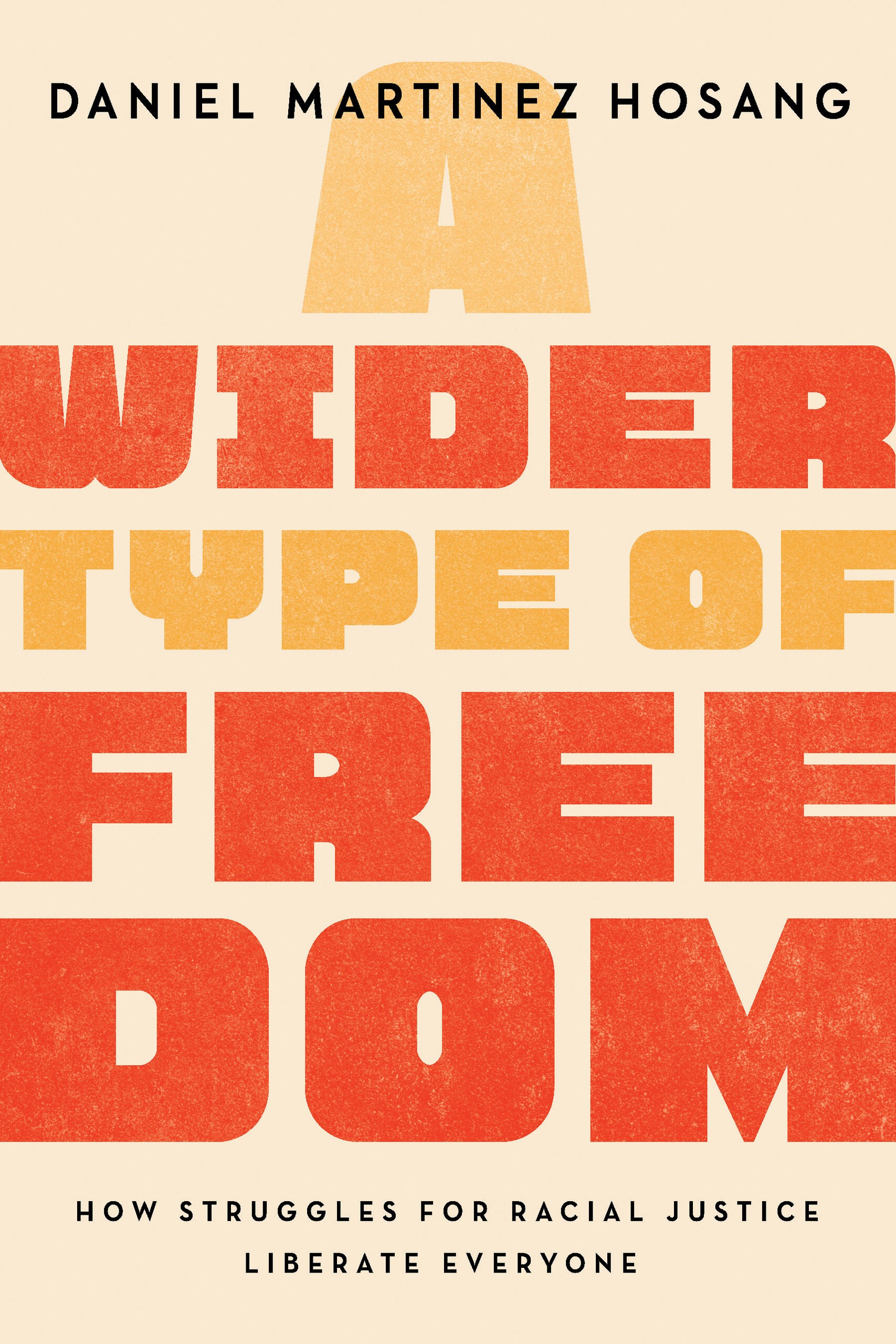
In Where Do We Go From Here? (1967), Dr. Martin Luther King, Jr., described racism as "a philosophy based on a contempt for life," a totalizing social theory that could only be confronted with an equally massive response, by "restructuring the whole of American society." A Wider Type of Freedom provides a survey of the truly transformative visions of racial justice in the United States, an often-hidden history that has produced conceptions of freedom and interdependence never envisioned in the nation's dominant political framework.
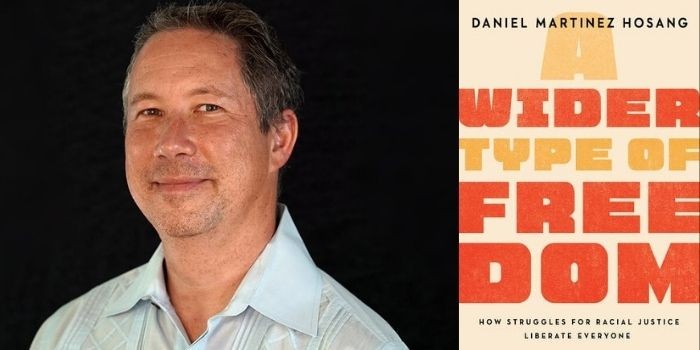
A Wider Type of Freedom brings together stories of the social movements, intellectuals, artists, and cultural formations that have centered racial justice and the abolition of white supremacy as the foundation for a universal liberation. Daniel Martinez HoSang taps into moments across time and place to reveal the longstanding drive toward a vision of universal emancipation. From the nineteenth century's abolition democracy and the struggle to end forced sterilizations, to the twentieth century's domestic worker organizing campaigns, to the twenty-first century's environmental justice movement, he reveals a bold, shared desire to realize the antithesis of "a philosophy based on a contempt for life," as articulated by Martin Luther King Jr. Rather than seeking "equal rights" within failed systems, these efforts generated new visions that embraced human difference, vulnerability, and interdependence as core productive facets of our collective experience.